
Previously, I described how liberal Western democracies have developed a recognition and respect for homosexuals over the last 50 years that is unique in human history. However, it is being undermined by social justice progressivism. I suggested that diversity, multiculturalism and the digital age has fractured and distorted our place in society rather than clarifying and deepening it. Meanwhile, economic ‘liberty’, to use a quaint old term, has been neglected. By that I mean being financially independent – and not just from mum and dad. (You’ll notice I have a preference for the vocabulary of the 20th Century – I find it more straightforward.) This makes it all the more difficult for people to grapple with the escalation of complex issues. It has impacted everybody and has led to an epidemic of loneliness, especially among gay men. Socially progressive ideas have led to a tragic and dangerous world for young gay boys and girls who are being confused about the realistic limits of sexual and gender identity.

It sounds bleak. So I want to offer some solutions which I rarely, if ever, hear proposed.
I suggested that the New Gay Shame Game is a product of importing anti-gay mores that normalize excessive discreetness – the kind that hides homosexuality rather than being frank and appropriate. Australia has done this to play savior to foreign gays who abandon their anit-gay homelands. Australia gets to tout its empathetic migration policy and in doing so, rewards selfishness. Rather than staying and fighting the good fight, as my generation did here, they leave all the to-be-born gays to grow up in oppressive family and social circumstances – the environments they suffered through themselves.
Thankfully, there are exceptions. In 2011, a Serbian film called The Parade (La Parada) appeared depicting a gay couple trying to stage a gay pride parade. They somehow manage to recruit the help of rough, gun-wielding macho men. It’s a tragic comedy. The lead character tells his boyfriend he thinks ‘maybe they should move to Canada’. Later they recognize that’s ‘just want they want us to do’. It’s inspiring to see them recognize that pressure and resist it. Rather than emigrate, they stay and make a stand. It’s well worth watching.
Saying no can be difficult, like the tough love needed to respond to a needy cousin who keeps asking for help but wastes whatever is given to it. That is what Australians needs to do, if we intend to act humanely in foreign policy. But how can we do this effectively?
Thirty seven years ago, I saw a need for a kind of gay activism that was apolitical. I was concerned that taking to the streets and waving banners was alienating ordinary people. To me, what mattered was connecting with people in everyday circumstances and showing them I wasn’t different to them. I saw examples of this; people coming out when it was relevant or politely correcting assumptions and accepting their minority status with grace. But it seemed all too rare.
I struggled to do it myself and I thought self-confidence held me back, so I sought to build a network of support around the issue. On Tuesday the 30th of June, 1987, I called a meeting in Adelaide:

I had been in the public gallery of the Victorian Parliament and watched the Hamer Liberal Government decriminalize homosexuality on 23rd of December, 1980. We had changed the law; the political action was done.
Others saw it differently. LGBT identity developed into an ideology and a ‘community’. But it was creating false barriers. To me, this is still an erroneous search for self-esteem. Worse, it is backfiring as a strategy for change overseas. Homosexuality has become identified as a Western ideology that has no place in other cultures. Nothing could be further from the truth, of course.
What each and every one of us can do in this country is abandon the LGBTIQ+ ideology, recognize the insidious and corrosive effect of culturally indiscriminate immigration on homosexual self-regard in Australia and stop supporting a system of asylum that frames people as victims, rescuers and persecutors. We need to start supporting an empowerment dynamic both here and abroad. Our foreign policy and the way each of us interacts with individuals internationally should encourage bravery rather than rescuing victims.
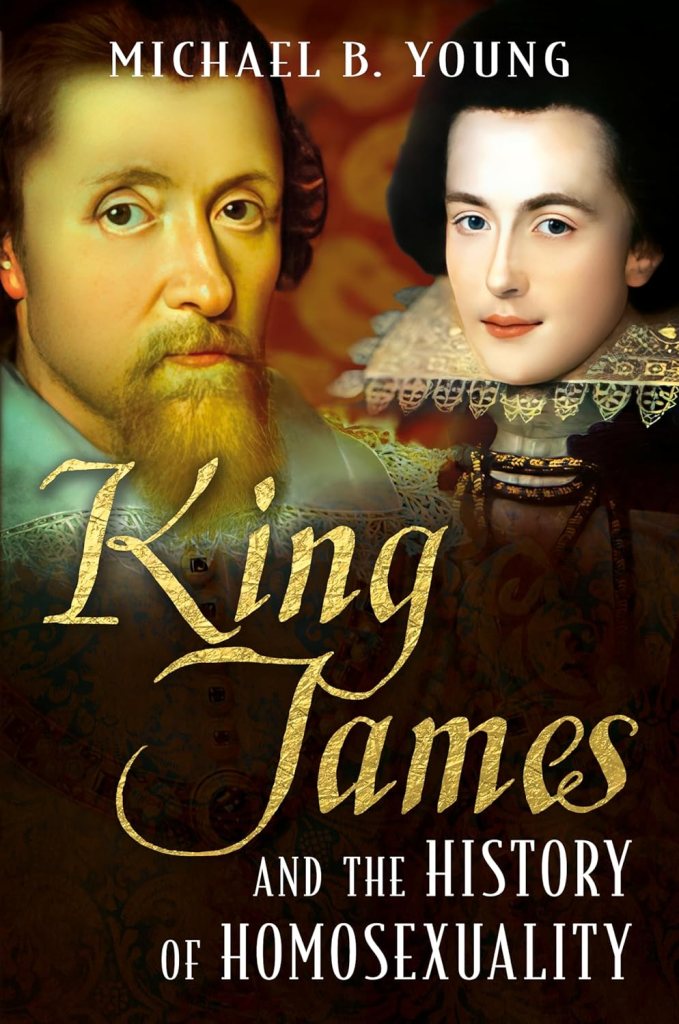
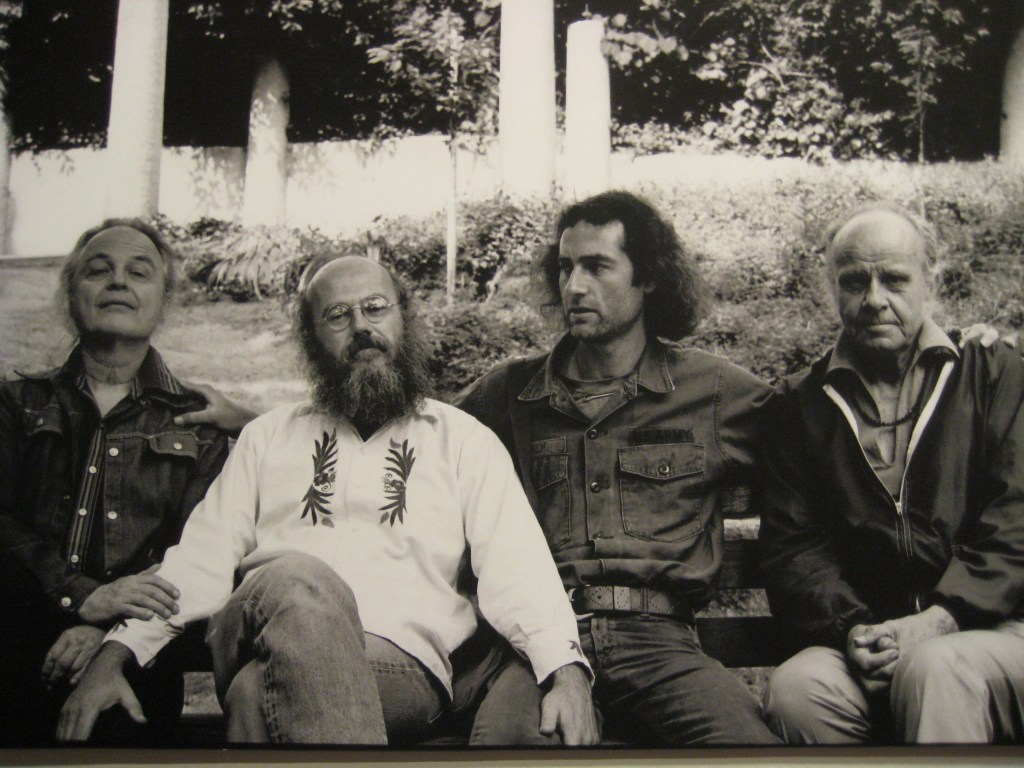
The LGBTIQ+ ideology needs to die a natural death. In its place a genuine gay subculture that is integrated comfortably as a minority should take its place. When I say ‘gay subculture ‘, I don’t mean progressive rainbow flags, adversarial politics, hypersexuality and gender confusion. Homosexuality has a rich history. The Radical Faeries are an international network of ‘back-to-Earth’, counter-culture gay hippies. They emerged from the work of people like Harry Hay in the U.S.A back in the 1950s. They enunciated the socio-cultural aspects of homosexuality in history and the present. To me, the Radical Faeries represents the ‘ethnicity’ of homosexuality, to the extent there is one. We can think of our historical heros as Alexander the Great, Sappho, King Edward II, King James I, Queen Anne and Oscar Wilde. However, the Radical Faeries have sadly fallen prey to LGBTIQ+ ideology.
The reason I refuse to use words with ‘phobia’ in it – which has become ubiquitous – is because it cancels the intellectual positions of those who are in opposition. ‘Homophobes’ aren’t just irrationally fearful of homosexuality – it may be a part of their reaction, but they also have many thought processes that are not all complete bunkum. Additionally, if we’re dismissive, we risk simply driving prejudice underground. We also miss out on interesting conversations. John Corvino demonstrates this in his talk, “What’s Morally Wrong with Homosexuality?“
Labeling everything objectionable ‘a phobia’ is a convenient way of getting off scot-free from dealing with existential questions. Perhaps it’s also a form of projection – a fear of opposition. There is real folly in this, because existential questions produce insight. For example, in asking, “Why hasn’t homosexuality been naturally selected out by nature?” James O’Keefe proposes a theory in his TEDx Tallaght Talk that gay men (at least – not sure about lesbians) often play a socially lubricating role in families and closely knit groups. I think this rings true in many situations and although it’s a generalization, it goes someway toward explaining some behavioural patterns I’ve noticed.
If we want people to genuinely learn and change, we have to be willing to engage with integrity and also risk finding out that maybe some of our own preconceved [sic] ideas are false or at least incomplete.


Leave a comment