
Has it Made Australia a Better Place?
Over the past 100 years in Australia, relations between men and women have been changing. Subsequent to the efforts of suffragettes at the end of the 19th century, to feminism in the late 20th century, every field of life has opened up to women.
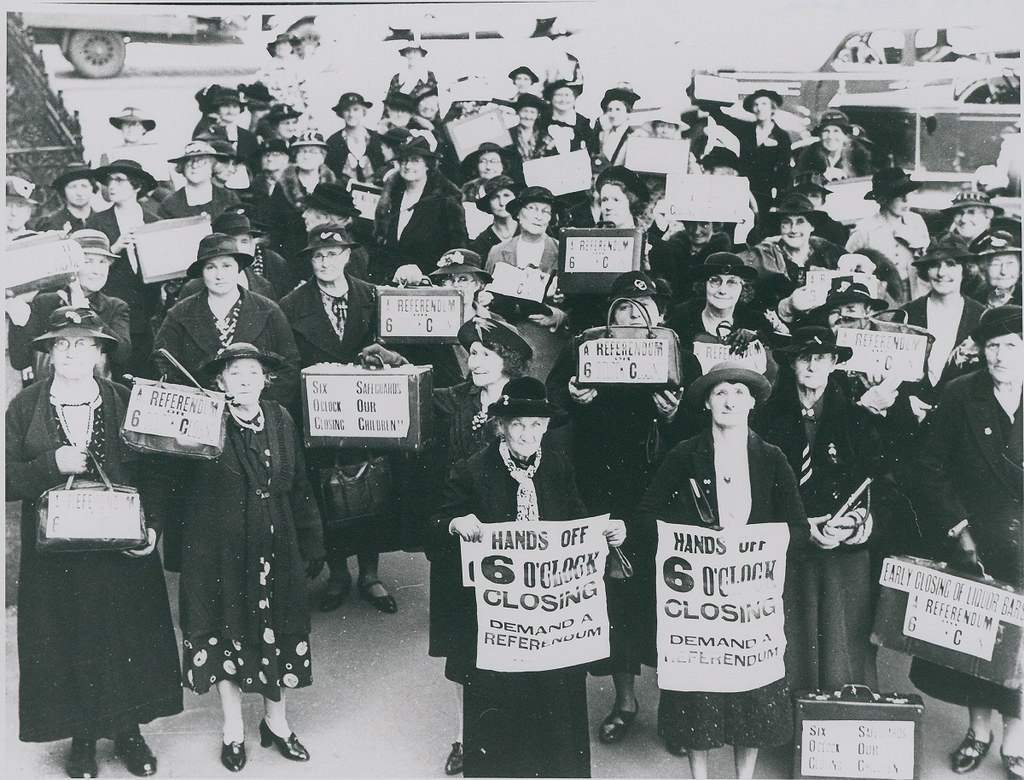
There is no doubt that women have greater choice now than ever before in human history, and that consequently they have been able to make contributions to society of immeasurable value. Australia was one of the first countries to give women the right to vote and stand for parliament. From Carmen Lawrence to Jullia Gillard, they have risen to the very top.
But doubling the workforce has also served the interests of the primary beneficiaries of our ponzi economy at the expense of the family. It increased labour competition, suppressed wages and was accompanied by a growing gap between rich and poor that meant less time for home life and child-raising by both parents.
Worse, feminism failed to include men in its journey toward emancipation. As a competitive, adversarial movement, too often it sought retribution and domination. By excluding men, it alienated them and this undermined its ultimate purpose. You can’t ‘liberate’ women without liberating men.
It also over-emphasized the commonalities of the sexes, downplaying differences – an understandable reaction to traditional stereotyping.
Cat Fights in the Senate
There was a period not too long ago in Federal parliament when the barbs between Julia Gillard and Tony Abbott were particularly nasty.
Then the Teals were elected who, it was said, as women, brought some civility back to debate and things calmed down.
Now, nearly half of federal MPs are women (49%). More than half of Labor MPs are women (51.8?%).


In the Senate, as of 2025, there are 39 female members, which exceeds the number of men for the first time in history (57%).
These days, the sharpest, nastiest exchanges in parliament are in the Senate cross bench. And they’re all among women; Payman, Faruqi, Hanson, Thorpe and Cash.
The issues are almost always social; race, sex, ethnicity…
In China, the national assembly is populated by a healthy proportion of engineers, academics and scientists. In Australia, most federal MPs seem to be lawyers, life-long political hacks or property owners.
Australian politics is now characterized by a preoccupation with one social issue or another, itself a feminine trait. Feelings matter more than facts.

On Facebook, the moderator of the Coopers Plains Community Grapevine, Sara Sea, banned this image of a vehicle flyer the Lewis Hill Neighbours group endorsed for placement on illegally parked vehicles in our area. She claims it is racist and offensive ‘to our diverse community’, because it states,
The hospital is NOT being expanded for existing Australian citizens. It’s to boost the ponzi economy.
Apparently, in her mind, all Australian citizens are white.
Toxic Empathy
A culture of toxic empathy has developed that validates any social grievance you care to pick, no matter what side of the politics you’re on.
There isn’t a person alive who hasn’t been victimized or isn’t descended from someone who has been vicitmized, so there’s no end of grist for the mill.
There’s a banned publication online called When Victims Rule (beware; non-secure site) that describes the phenomenon of triumphant victimhood. It’s about the Jews, but it could just as well describe Palestinians and anyone else whose identity has victimhood ingrained in it.
FeminiZing Society Is A Problem
Helen Andrews, an American conservative writer, commentator, and author known for her cultural criticism, explains the importance of understanding what happens when society is feminized. In an interview with TRIGGERnometry, at 17:51 she answers the question, “Is The Increased Feminization Of Institutions An Overall Negative?”
Now more than ever, we need men who respect the opposite sex to bring a balanced perspective to the business of governing.
Matt Canavan wrote a telling critique of Pauline Hanson’s recent motion in parliament to ban the burqua:

Perhaps it’s time we stopped emphasizing the commonalities of the sexes and acknowledged the differences. Then maybe we will see more clearly how women’s natural tendency to focus on interpersonal relationships has contributed to modern Australia’s preoccupation with social issues.
Historical Histrionics
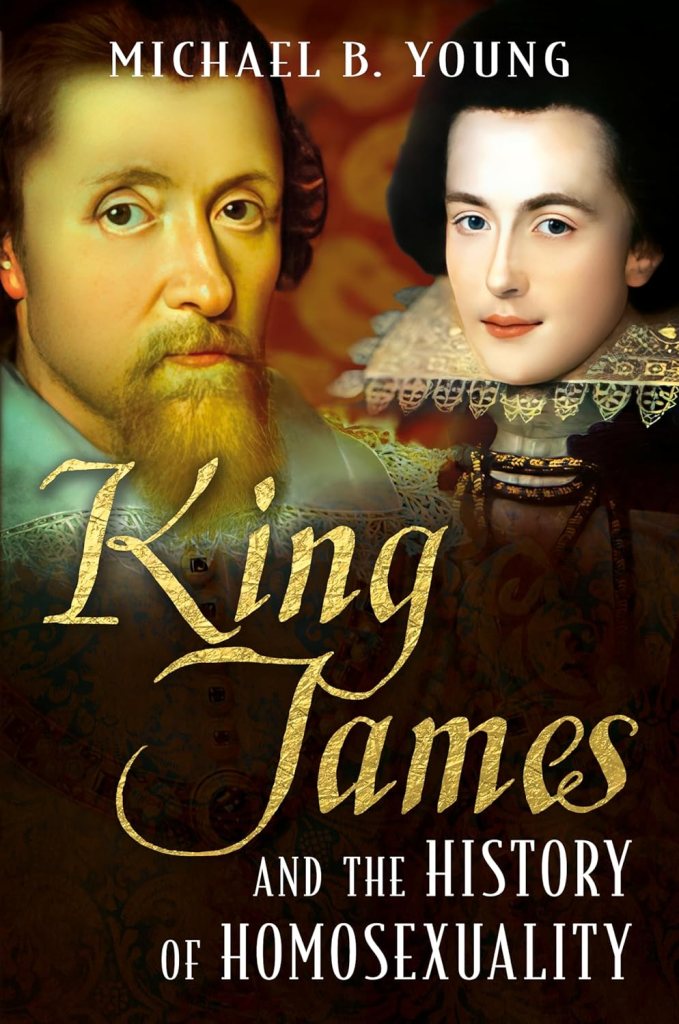
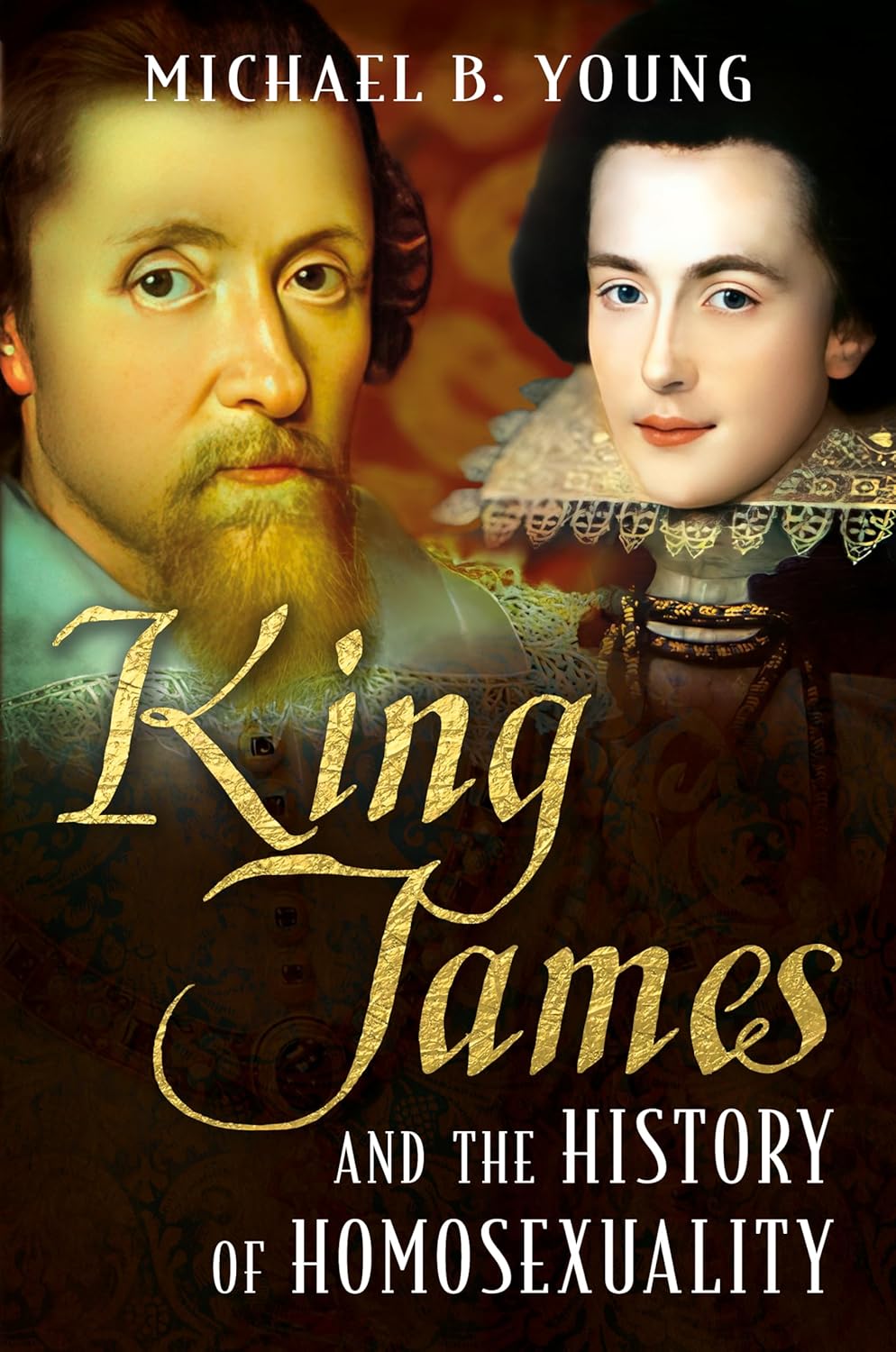
As a lover of history, I can’t resist concluding by mentioning that this is not the first time that sex and gender have played a significant part in politics. According to Micheal Young’s research in King James & the History of Homosexuality, the long reigns of Queen Elizabeth I and King James the I were gender aberrations. King James was a pacifist and his homosexuality was an open secret. When his son, Charles I ascended to the throne, he inherited not his father’s pacifism, but his uncompromising sense of his divine right to rule. After two long reigns during which many Englishmen, Michael Young speculates, became increasingly frustrated with what they regarded as the feminization of Englishmen, they were itching to prove themselves in battle. They found a fight; the English Civil War.


Leave a comment