
Goodbye Montreal
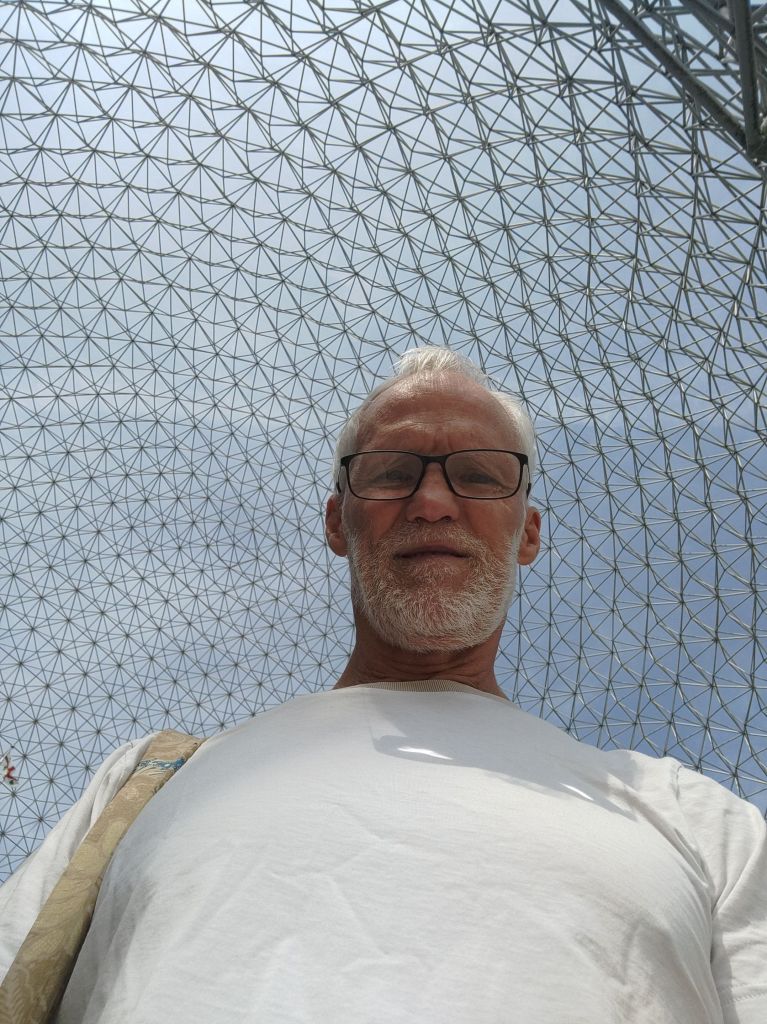
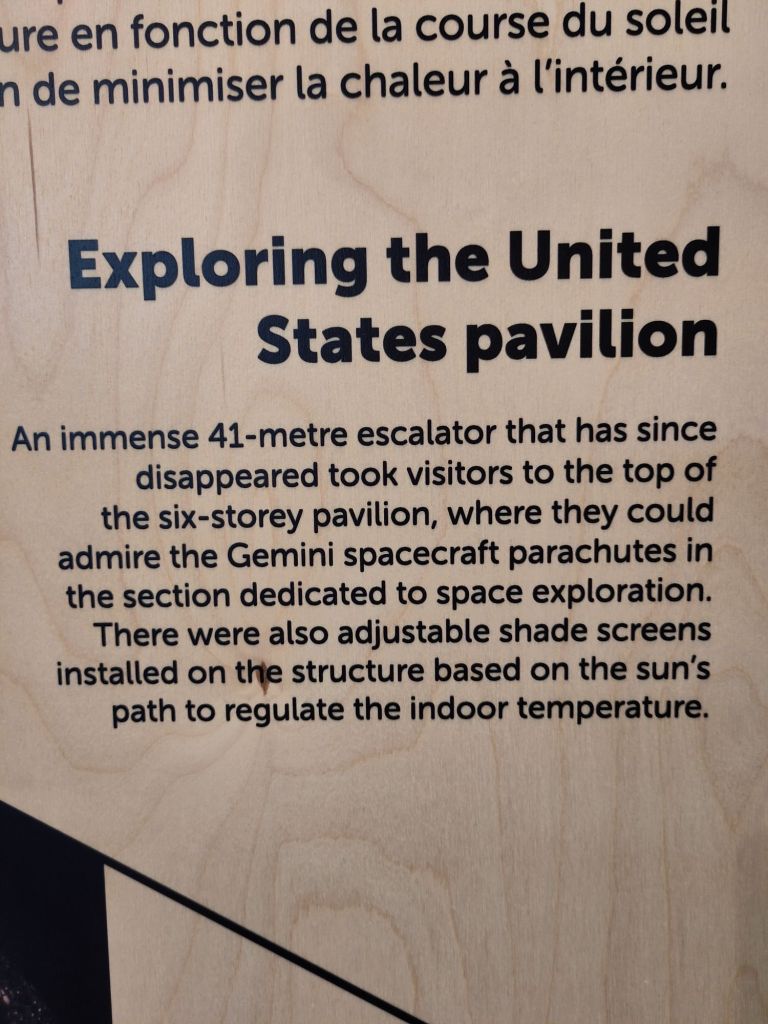
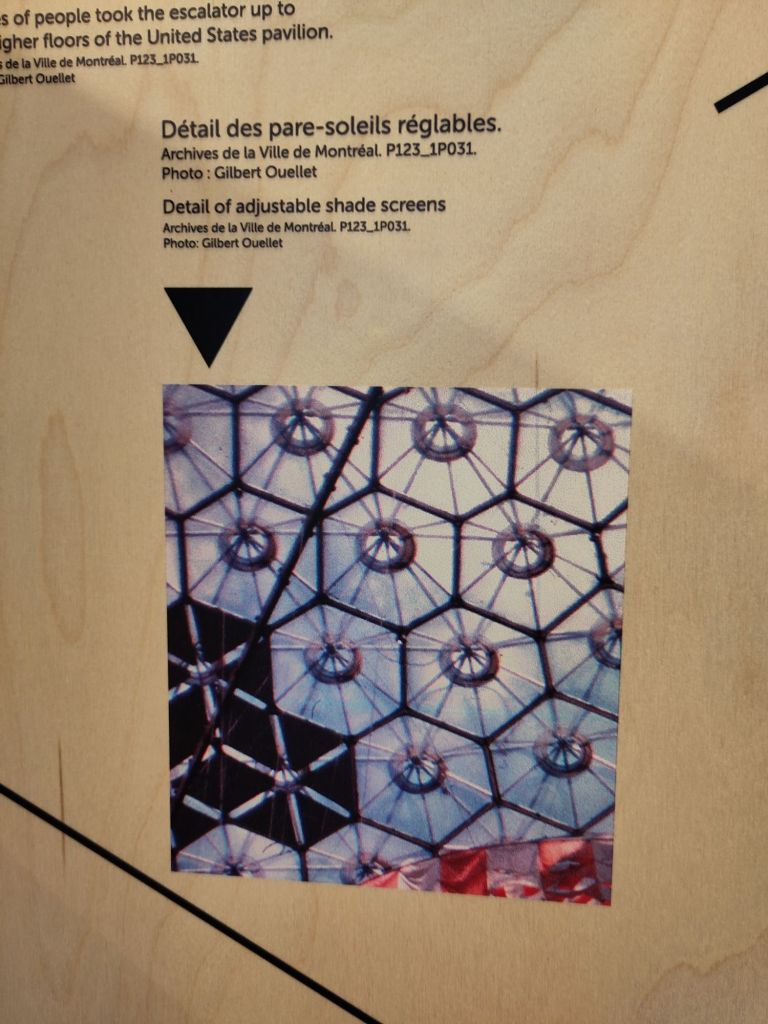
I couldn’t leave Montreal without visiting Sadao and Buckminster Fuller‘s geodesic hemispherical dome. Built for the 1967 World Fair as the US Pavilion and now the Montreal Biosphere, I first came across it via the Zeitgeist Movement about 10 years ago. Buckminster was a polymath with very innovative, but sometimes impractical ambitions for technology. His attitude of ‘build alternatives’ rather than ‘tear things down’ appeals to me. Nonetheless, I ultimately became disillusioned with the Zeitgeist Movement’s techno-optimism. In 1976 a fire burnt off the outer ‘skin’, but the rest of the dome remained intact.






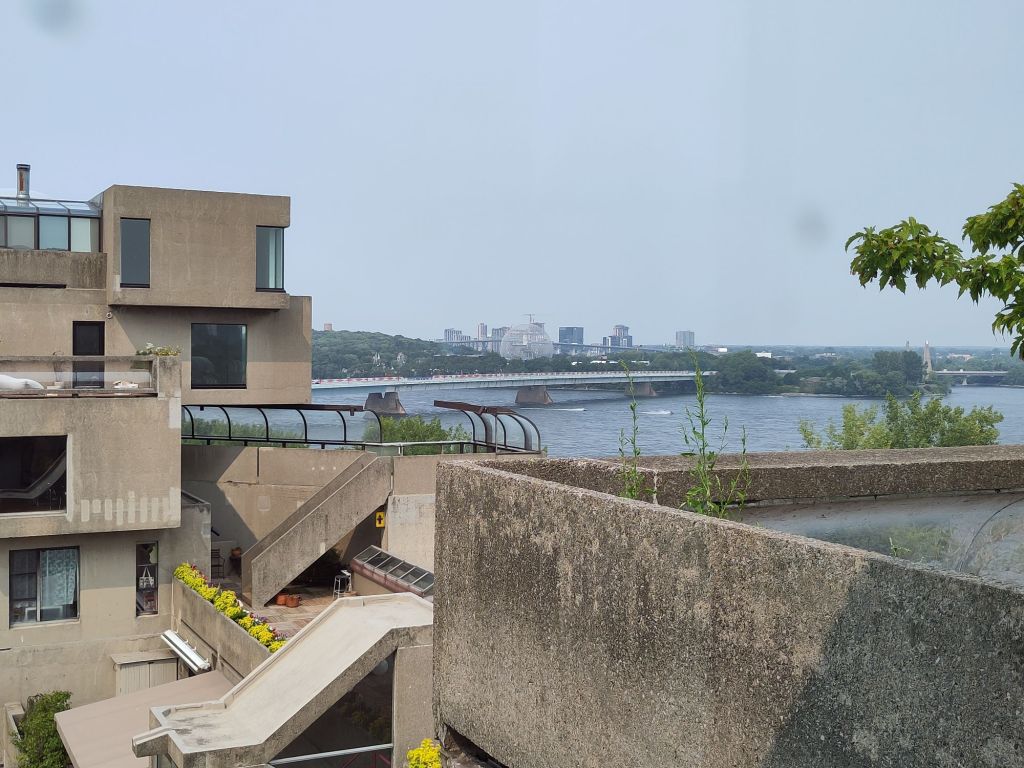


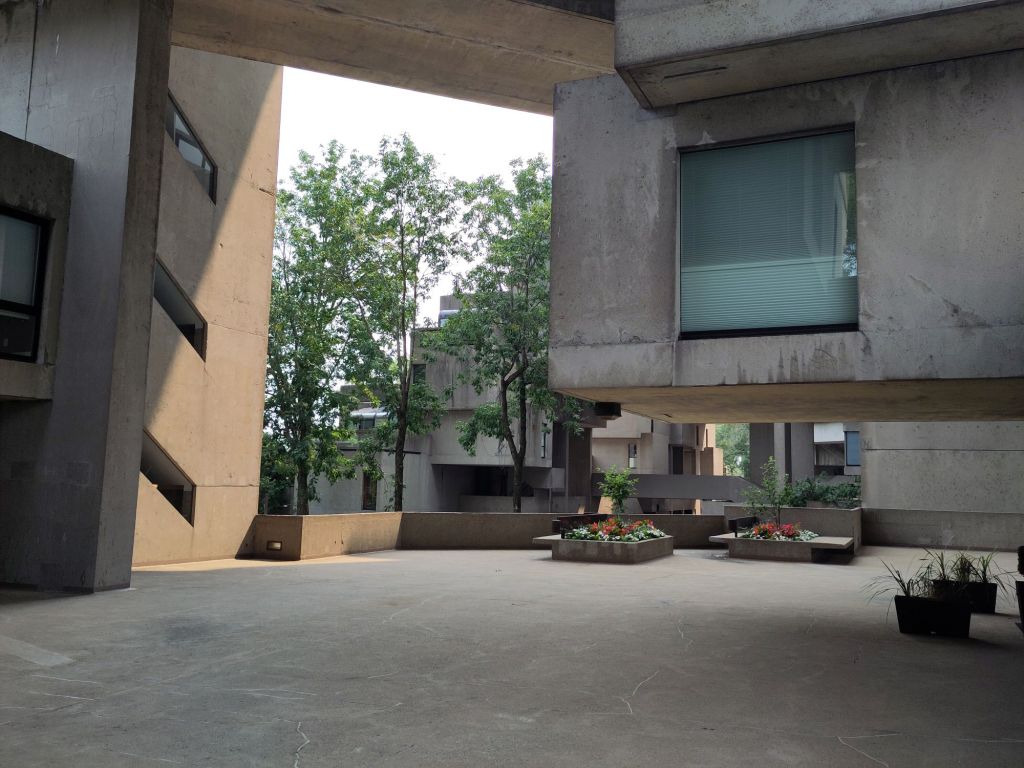
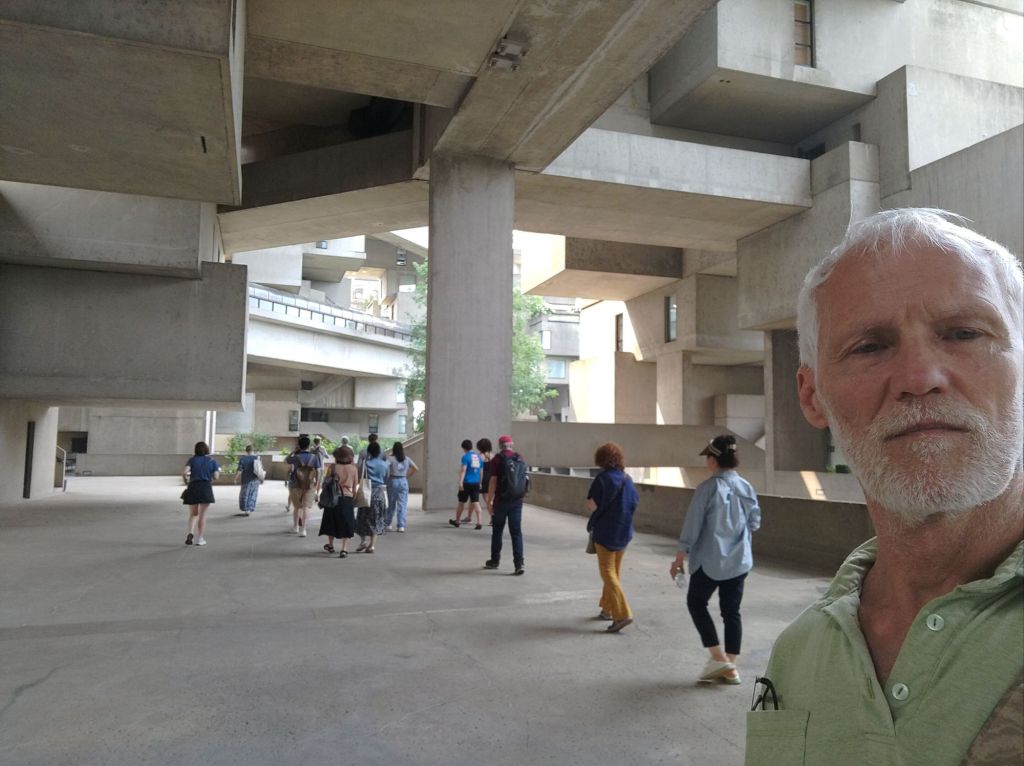
I also managed to get in a tour of nearby Moshie Safdie’s Habitat 67, also built for the ’67 World Fair. Initially visually unappealing from the outside, it definitely improves on closer inspection and has stood the test of time.
Ottawa
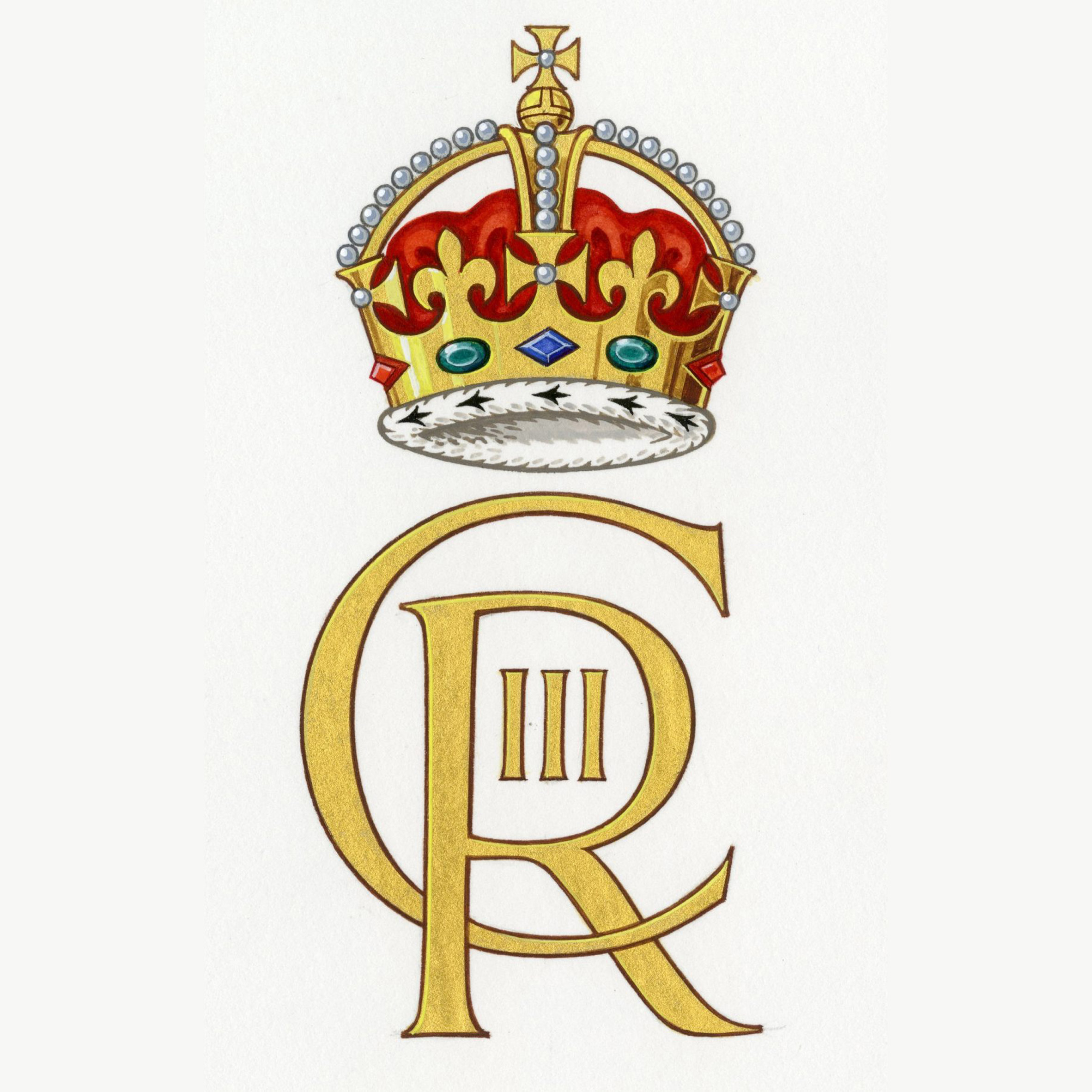
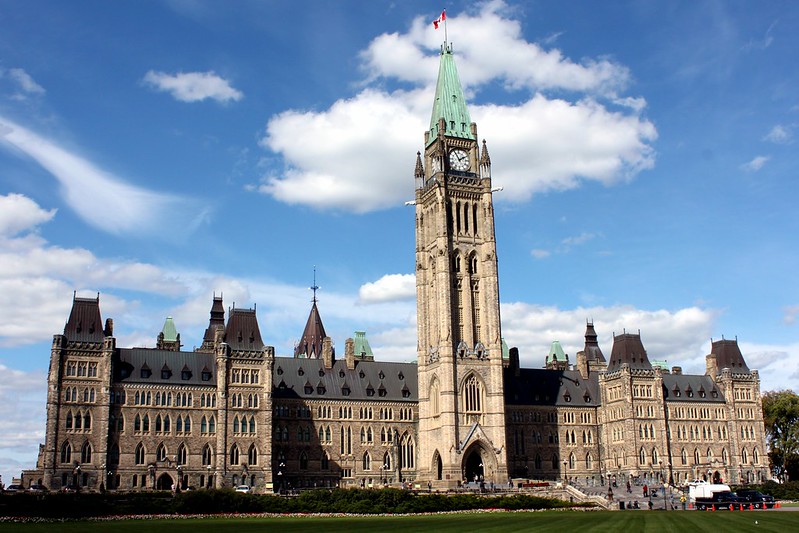
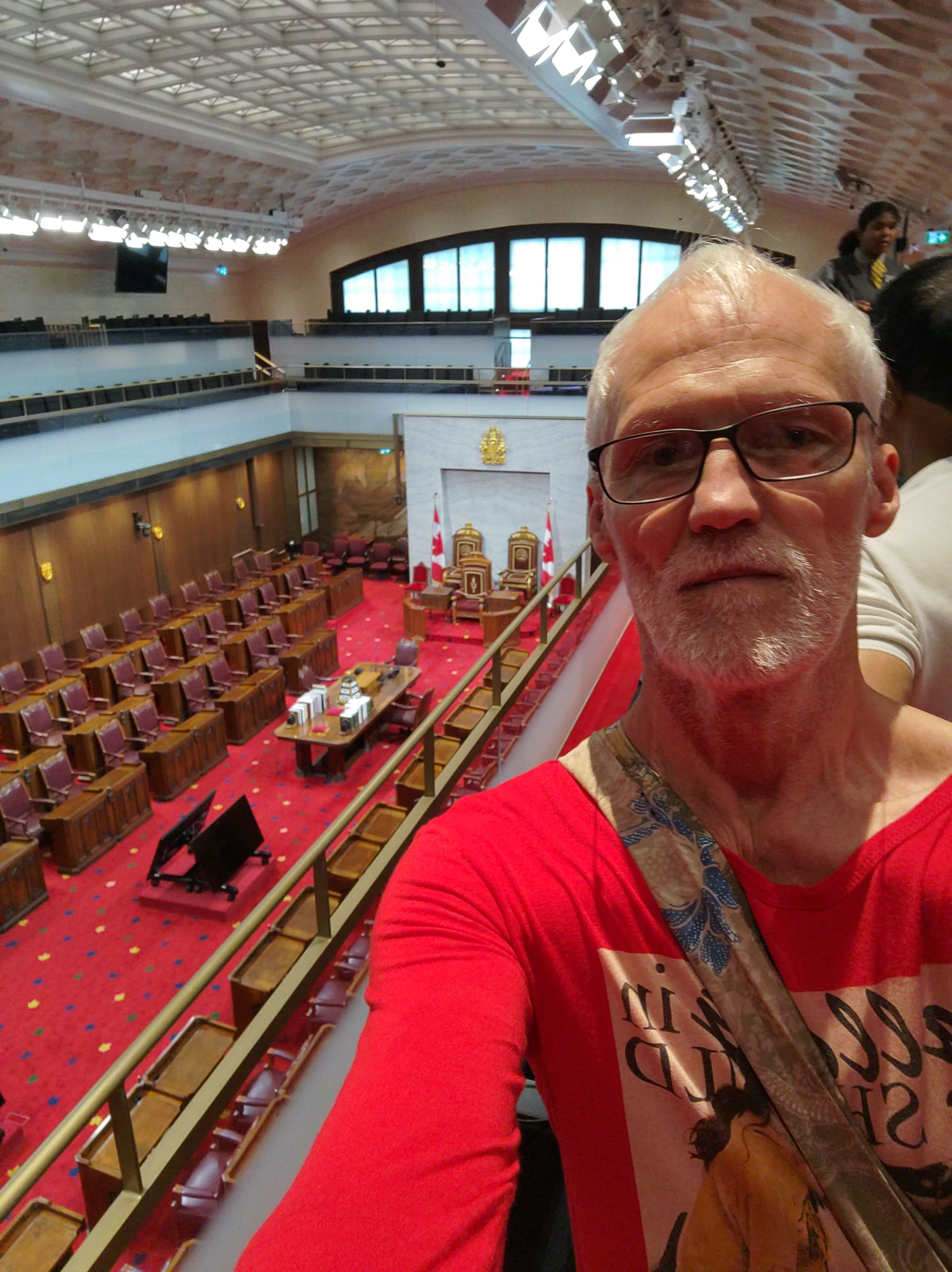
On a side trip to the capital, Ottawa we did a tour of the Senate and we were shown the ‘EIIR’ cypher still engraved on the Governor’s chair in the chamber. I asked why it hadn’t been changed to ‘CIIIR‘ and no good reason was given. Sadly, it seems there’s something a bit dead about constitutional monarchy in Canada. The Senate is being housed temporarily in the old Central Station until renovations are completed to the original building.

Edmonton
Flying over the prairies to Edmonton, I could see how difficult it must have been for the early settlers to cross the vastness of Ontaria, Manitoba, Saskatchewan and Alberta. There are SO many lakes in the way! Canada is the 2nd largest country in the world and has nearly 3,000 cubic kilometers of fresh renewable water – 4th most in the world. With global warming rising relentlessly, it’s easy to envisage the population growing relentlessly, too. Russia may become a climate Mecca, too, and it has more water, but far more rigid border control.
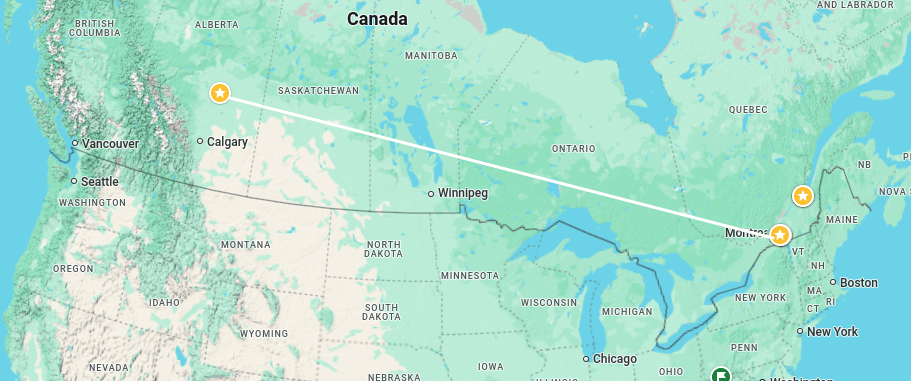
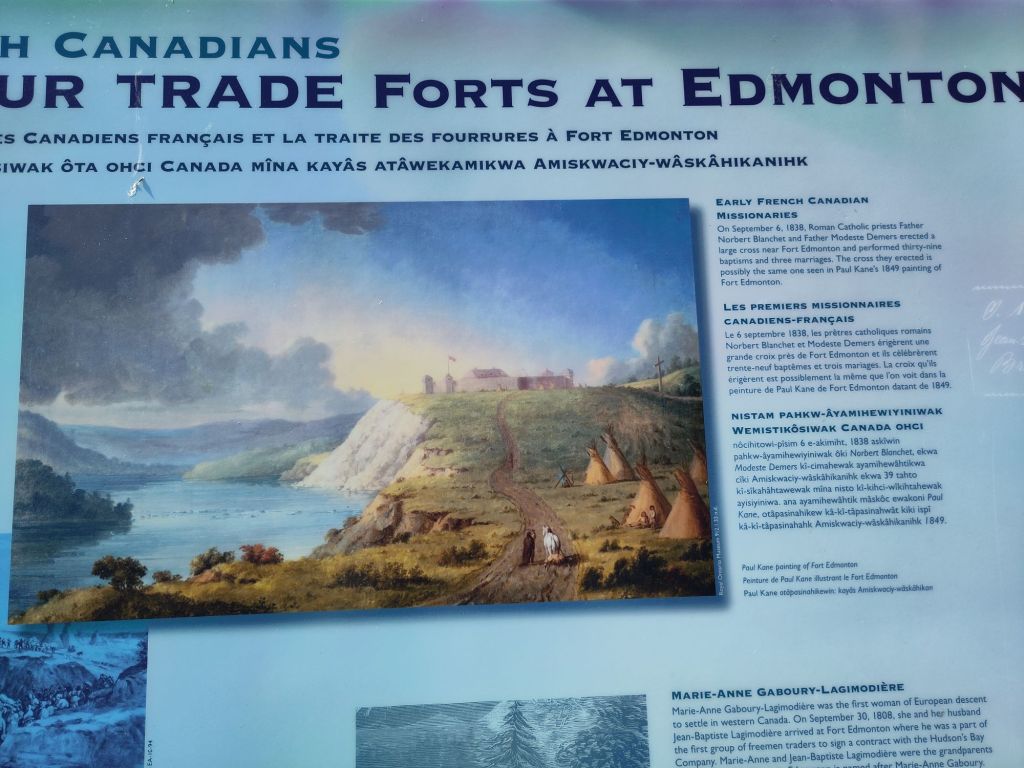
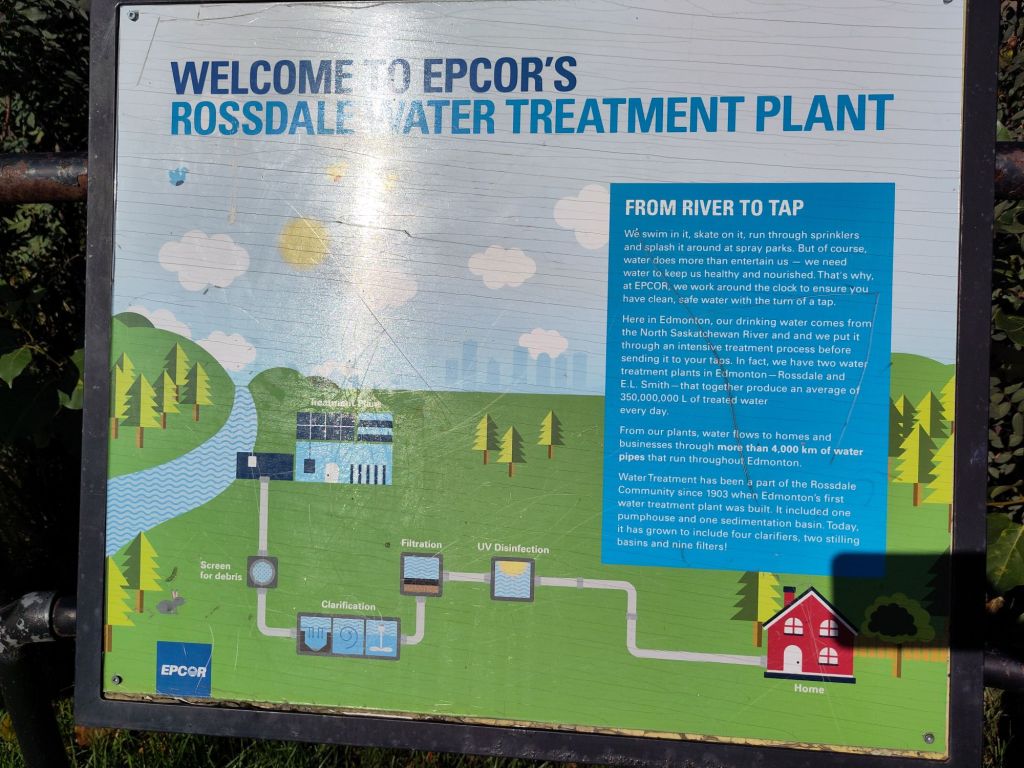
Edmonton is the country’s most northern major city. It’s inhospitable location is intriguing, but several factors seem to have contributed to its growth. First, it sits on the great North Saskatchewan River that runs from the Rockies in the west all the way east to Lake Winnipeg. So, in fact the lakes were not ‘in the way’, but served as a transport route and of course fresh water source for the early fur traders. Rossdale on the lower banks of the river, was an indigenous gathering place for multiple millennia. Fort Edmonton was established there but flooding encouraged a move to higher ground. Later both the railway and oil spurred massive growth and nearby Strathcona merged with Edmonton to become the capital of Alberta. Oil is now less significant and the city relies more on service industries – especially tech and education. Edmonton’s viability is now less relevant to its location and more dependent on speculation and immigration driven population growth. Isn’t this shakey ground?
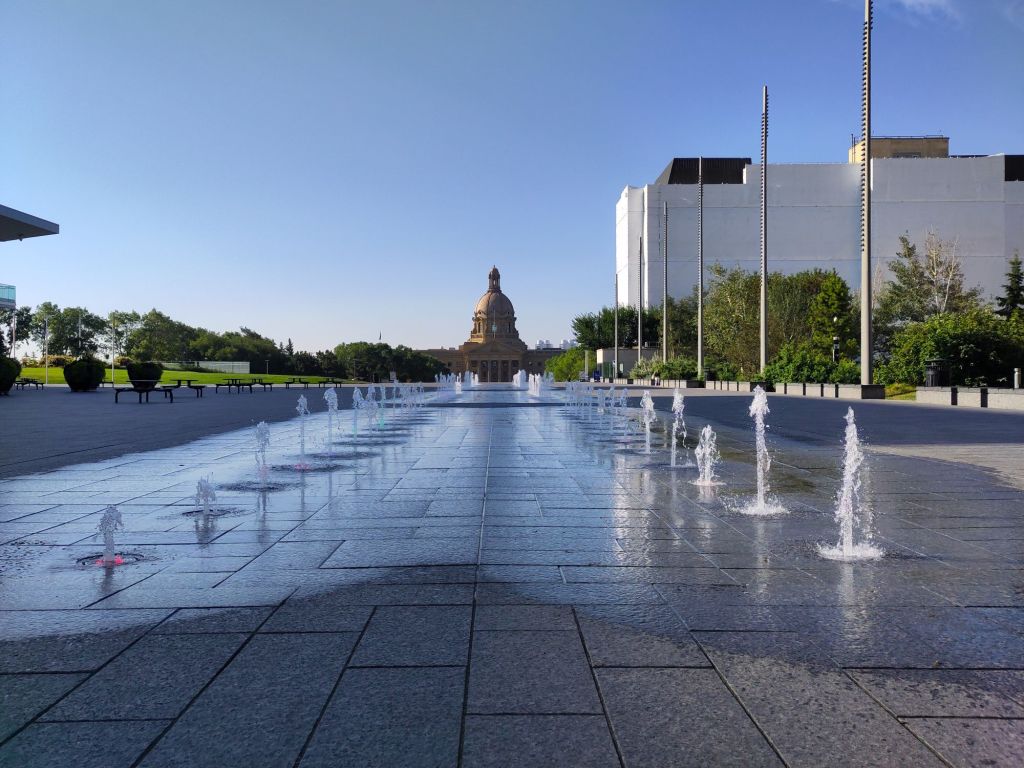
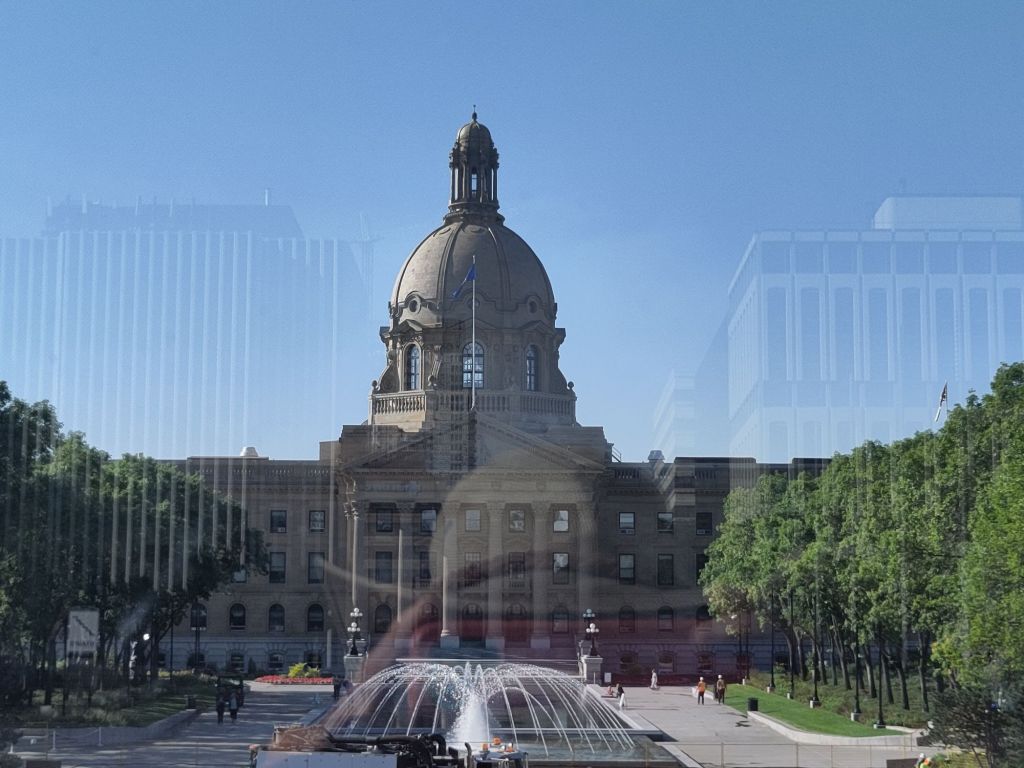
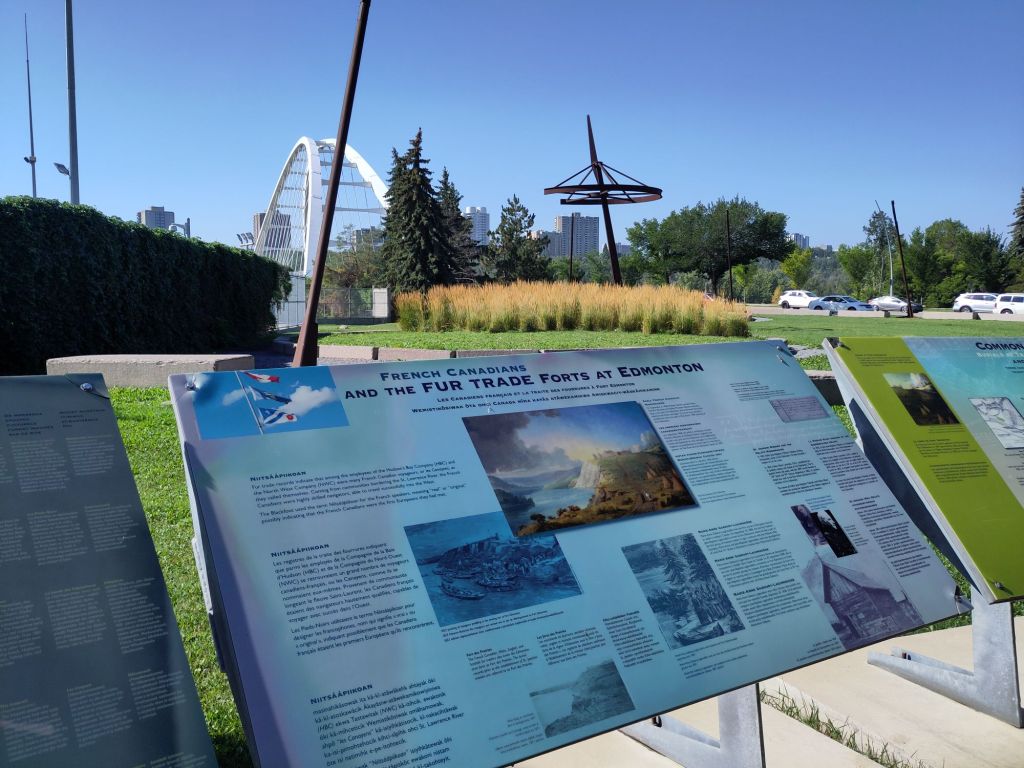



Edmonton’s roads are a grid system running N/S/E/W – streets N/S, avenues E/W. This enables an easy mental estimate of the location of addresses.
Now to catch that train across the Rockies to Vancouver!


Leave a reply to Canada Travel Blog 4 | Equanimity Cancel reply