
#3 Czestochowa, Krakow & Wieliczka…
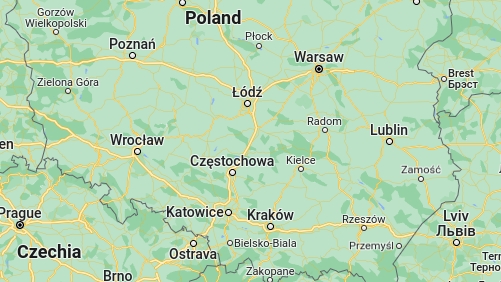
These cities are in the south of Poland.
Polish (Polski) is somewhat phonetik [sic]. For an older beginner, a simplified guide goes something like this: w = v. There are many frontal fricative variations; cz, czk, szcz (as in Palaszczuk), sc, sz … so just mash ‘em together and say something like sh/ch and ts/ks.
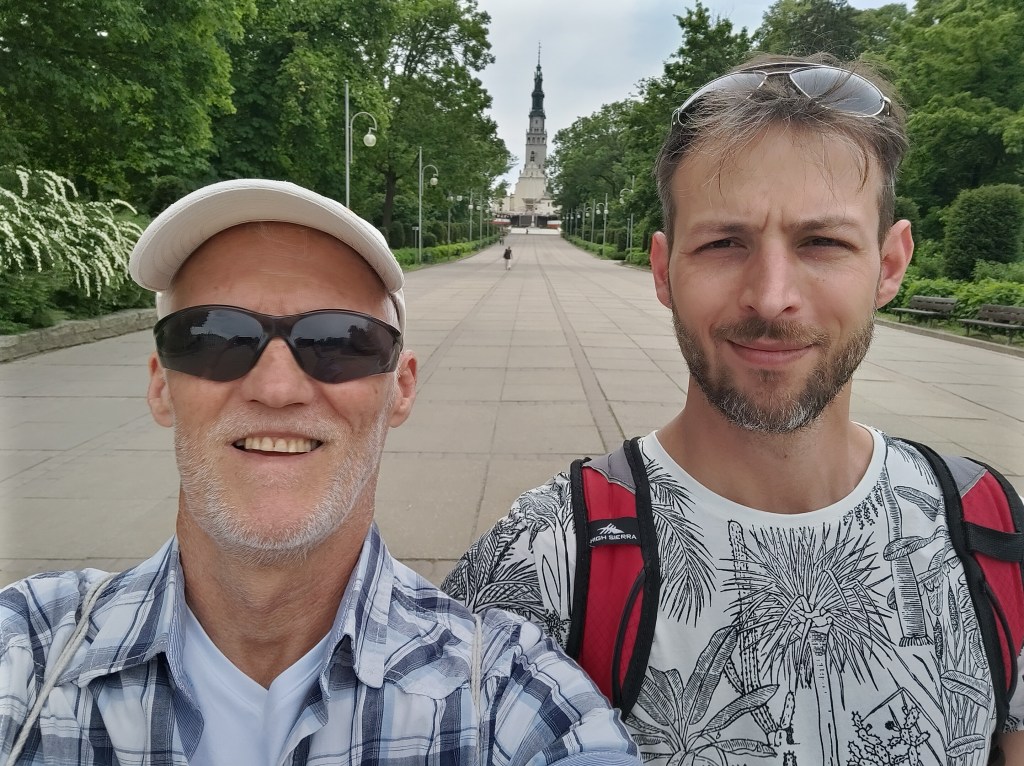
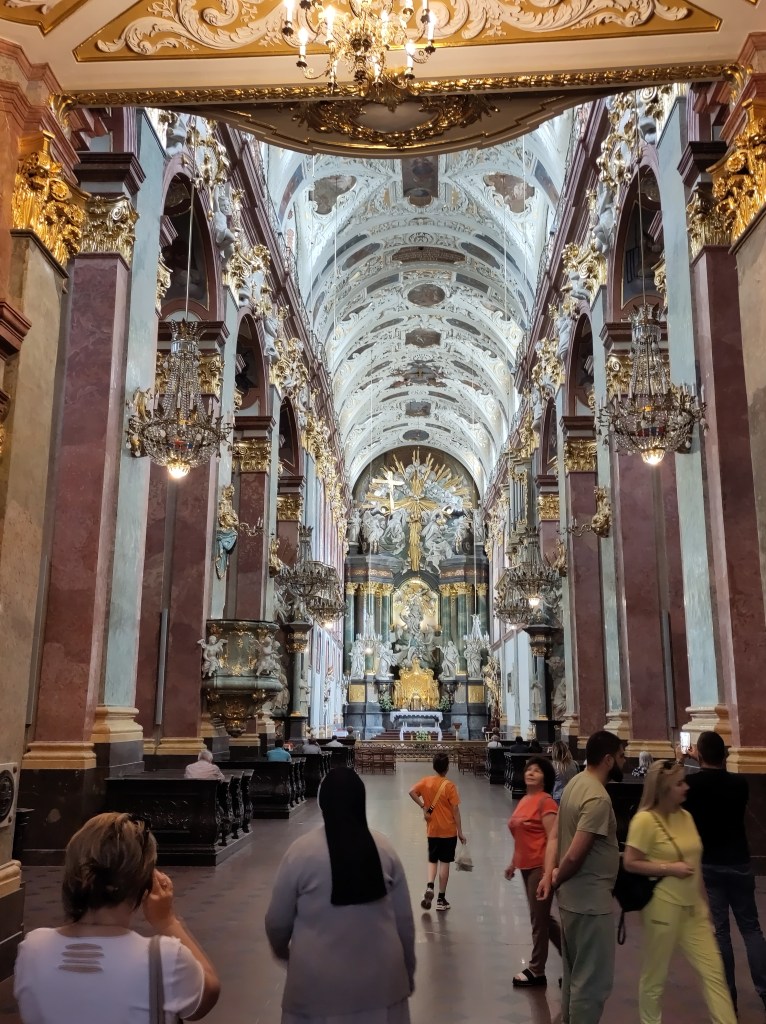
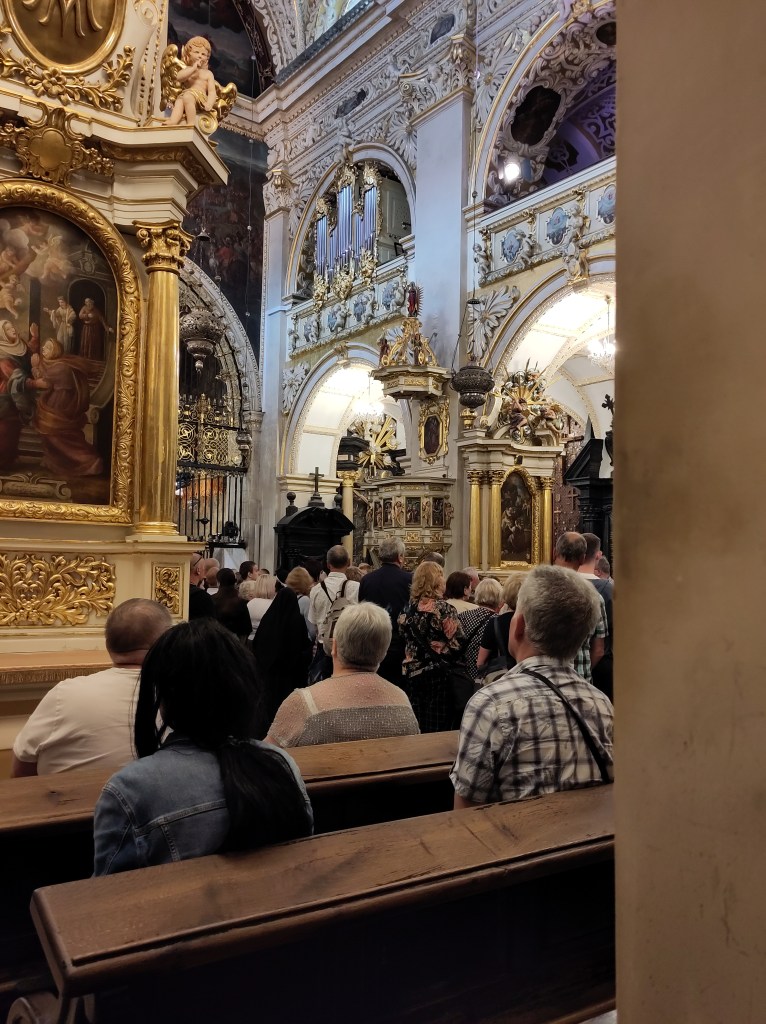
Czestochowa is the country’s religious heartland, where the Jasna Gora Monastery houses the famous painting called the Black Madonna, an icon venerated by both Catholics and Eastern Orthodox Christians. (Polish Catholics are Latin and Eastern Catholics.) It was badly damaged in the 15th century by Czech Protestants (Hussites). Cardinal Karol Wojtyła, later Pope John Paul II, lived and worked here and was later made Archbishop of Kraków.

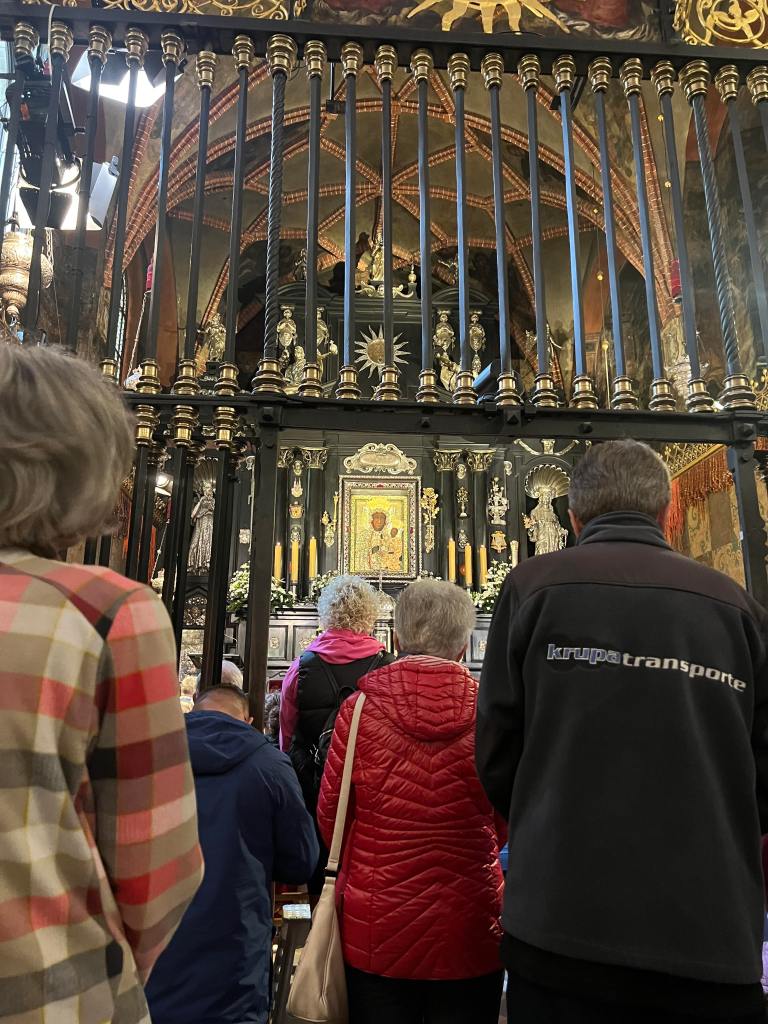
In 1978 Cardinal Wojtyla was elected Pope John Paul II, becoming the first non-Italian pope for more than 455 years. He helped end Communist rule in Poland. It is understood that while participating in the covering up – as was the norm then – of sexual abuse, the Code of Canon Law which began the effort to curb the abuse was put into force during his time.
Krakow is the ancient capital of Poland where the Polish monarchs resided in the 1,000 year old Wawel Royal Castle on Wawel Hill, a limestone outcrop on the banks of the Vistula River.
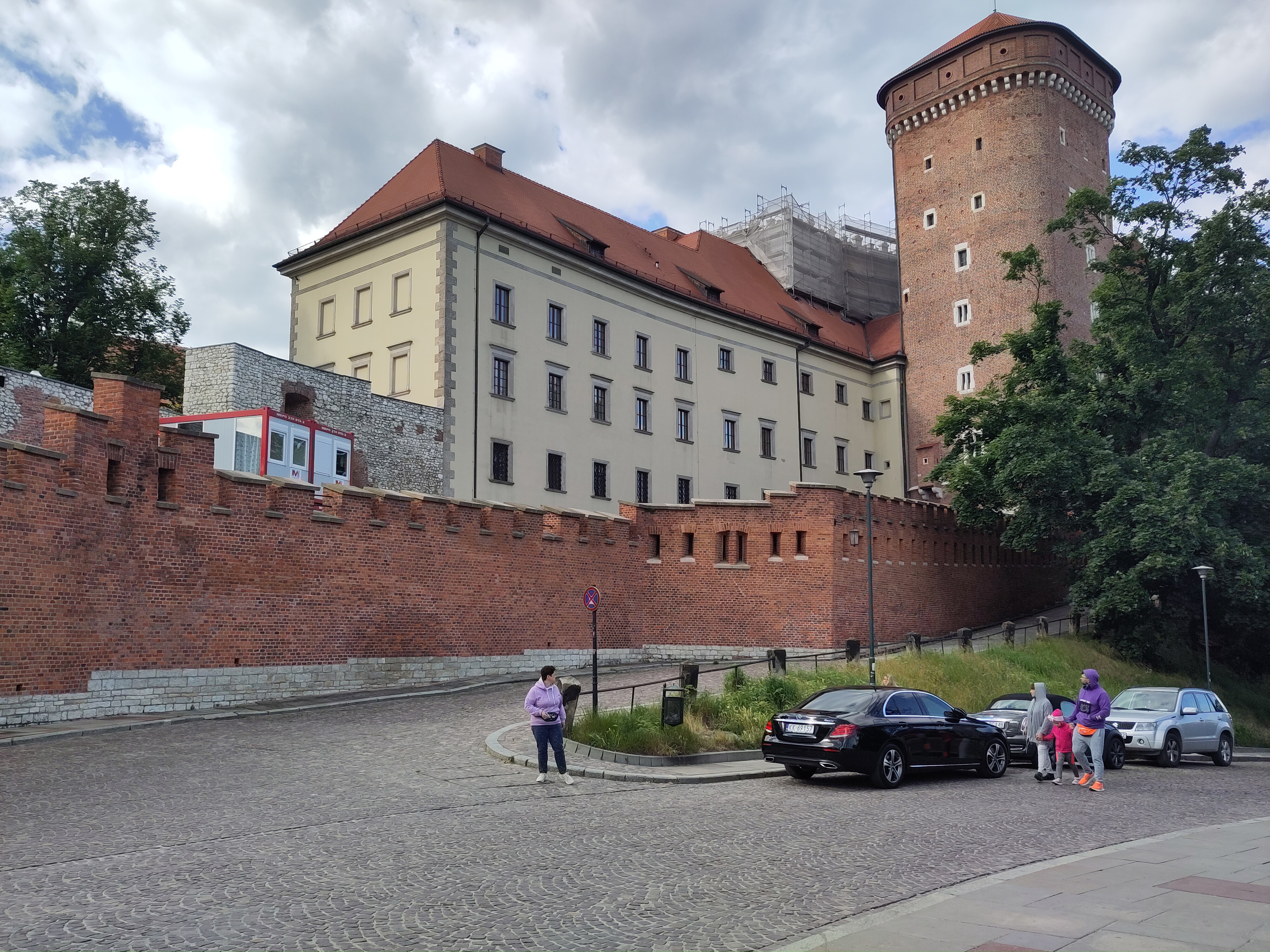

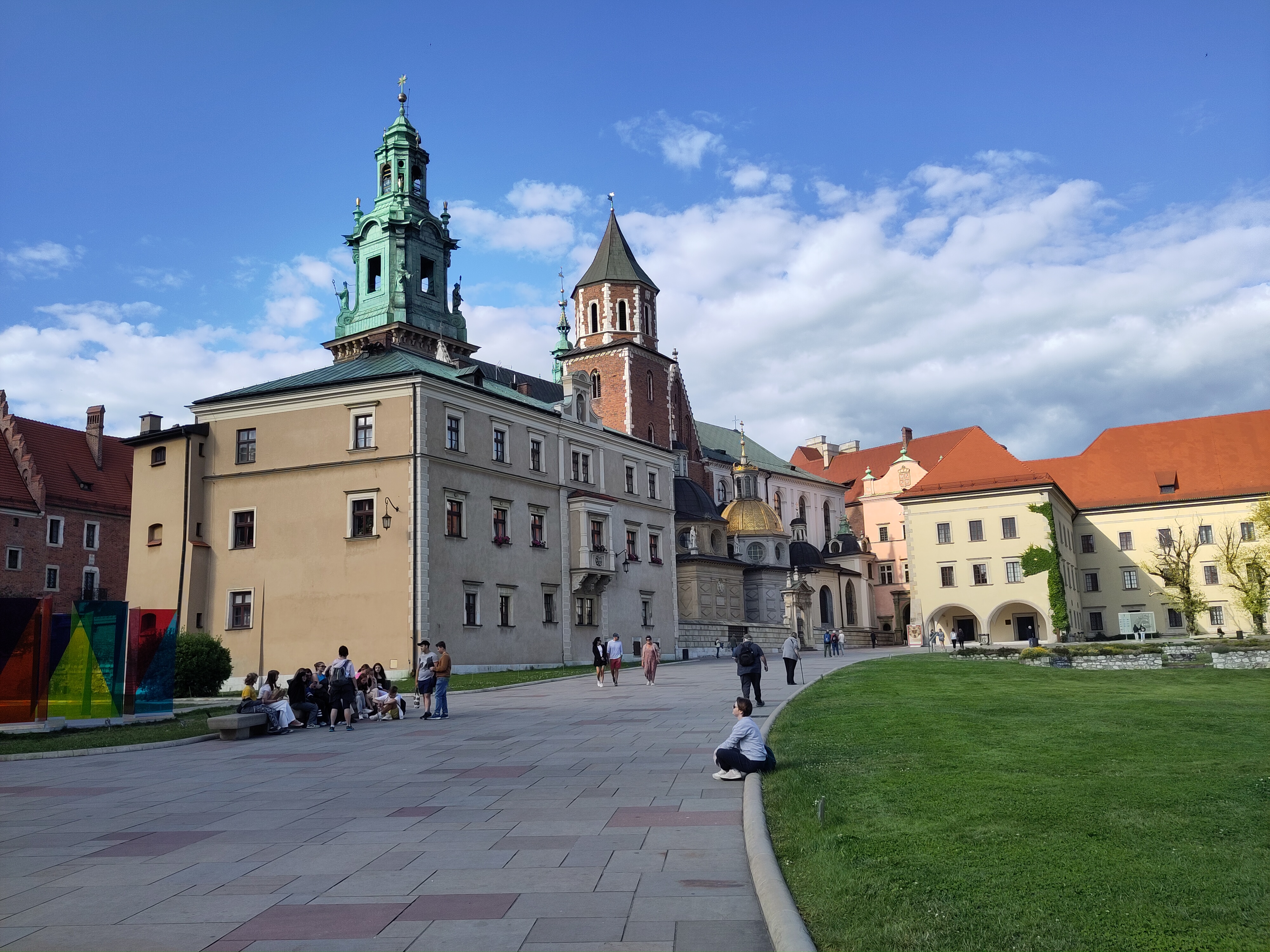


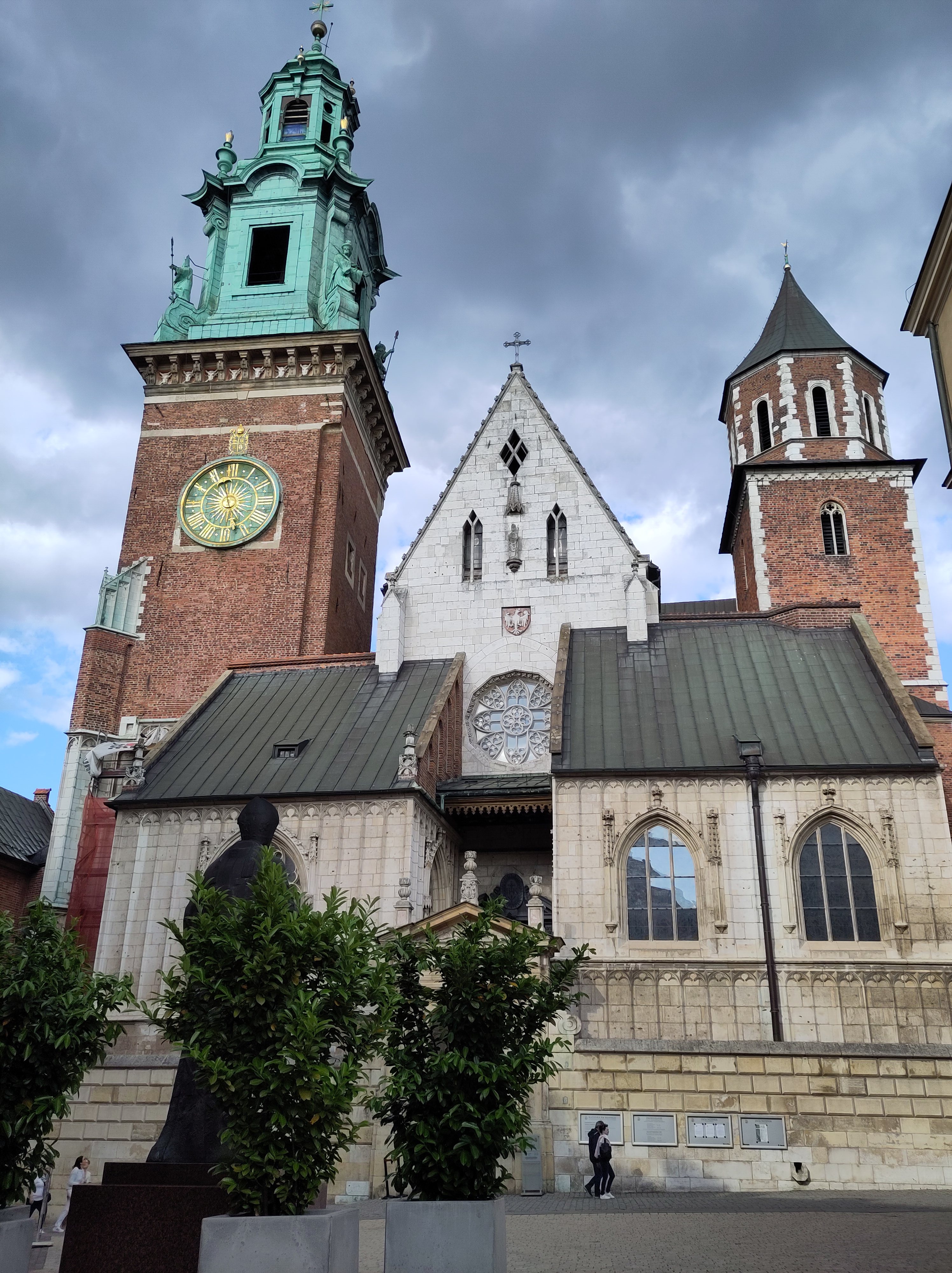
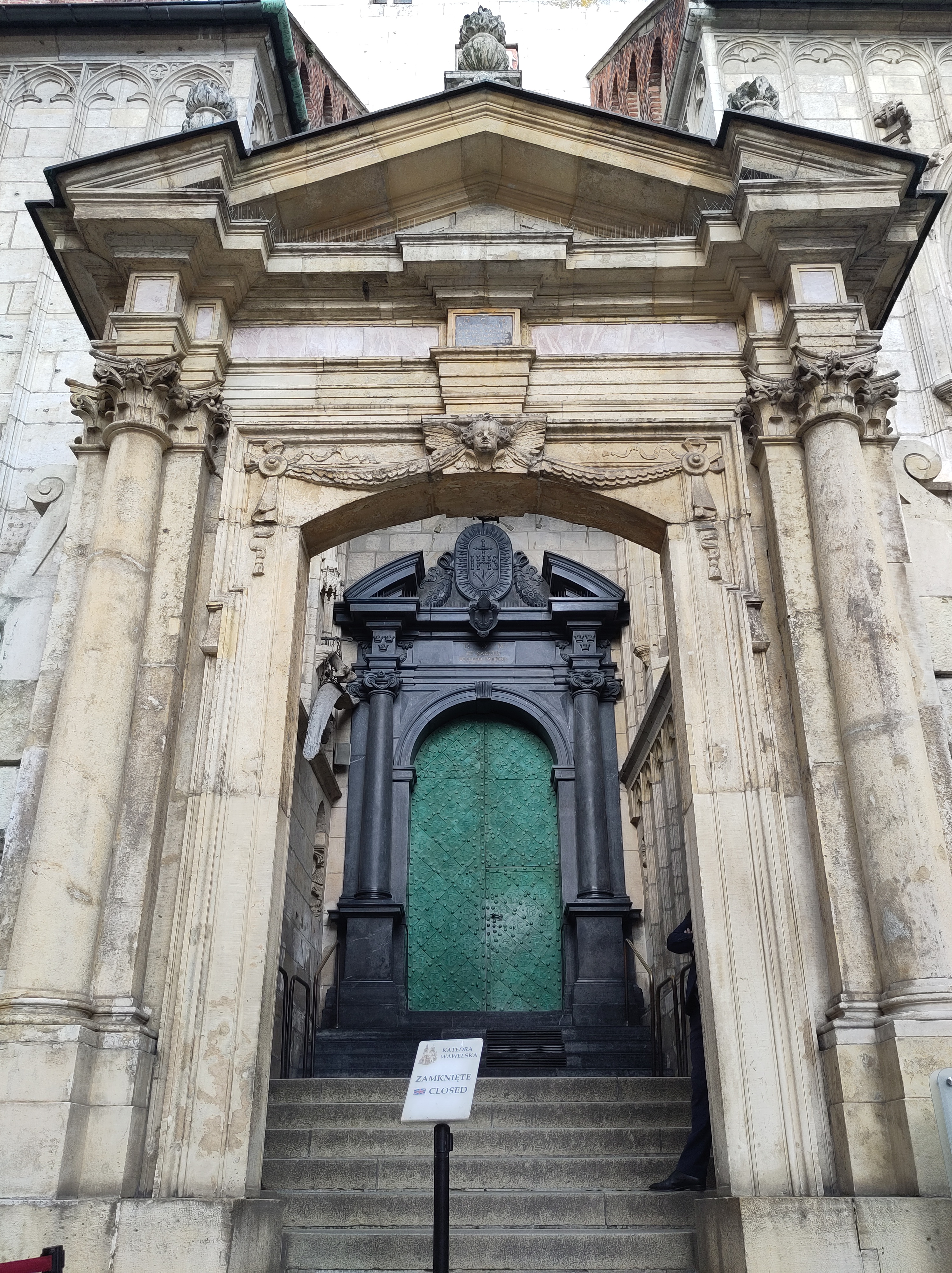


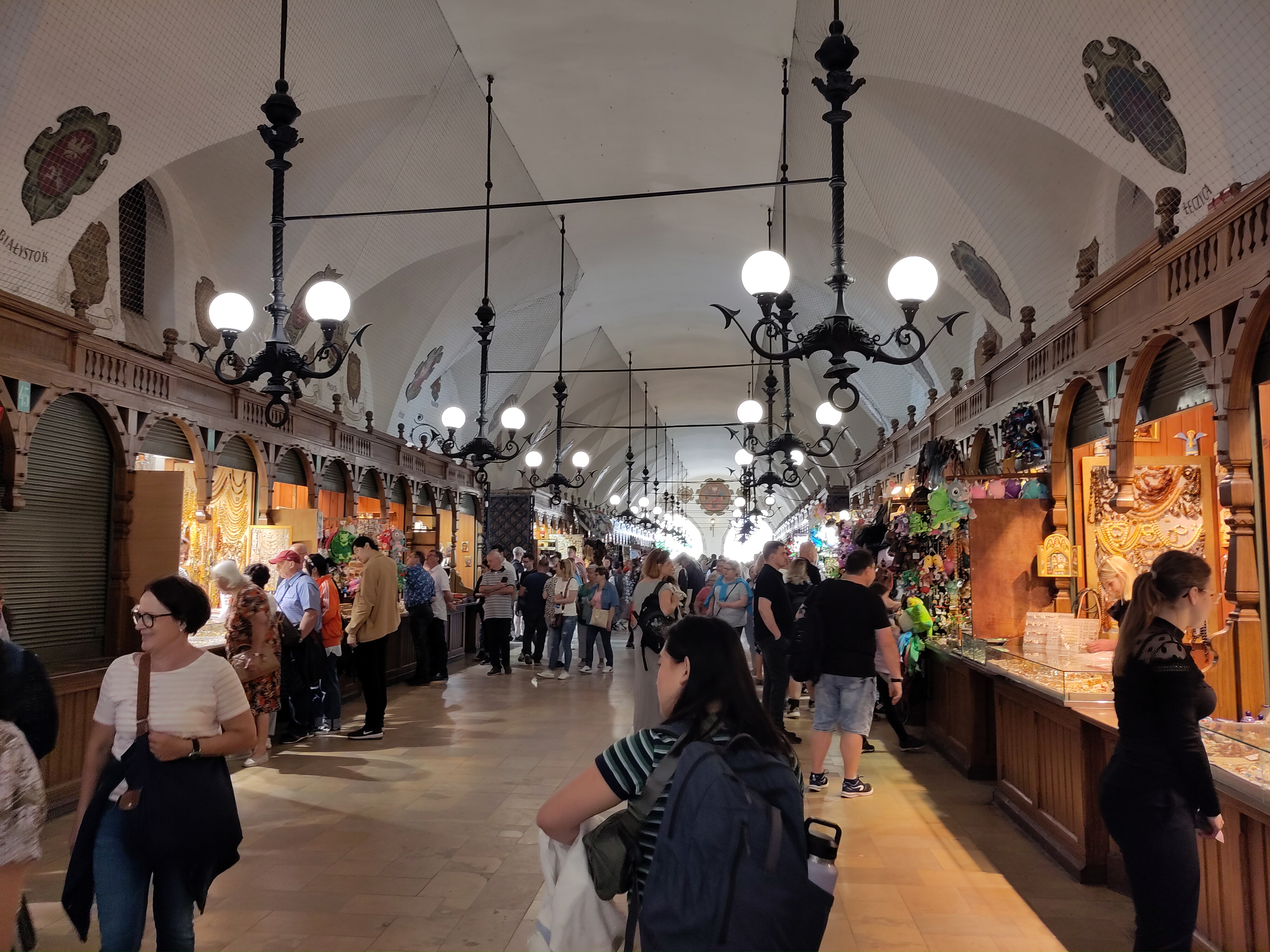
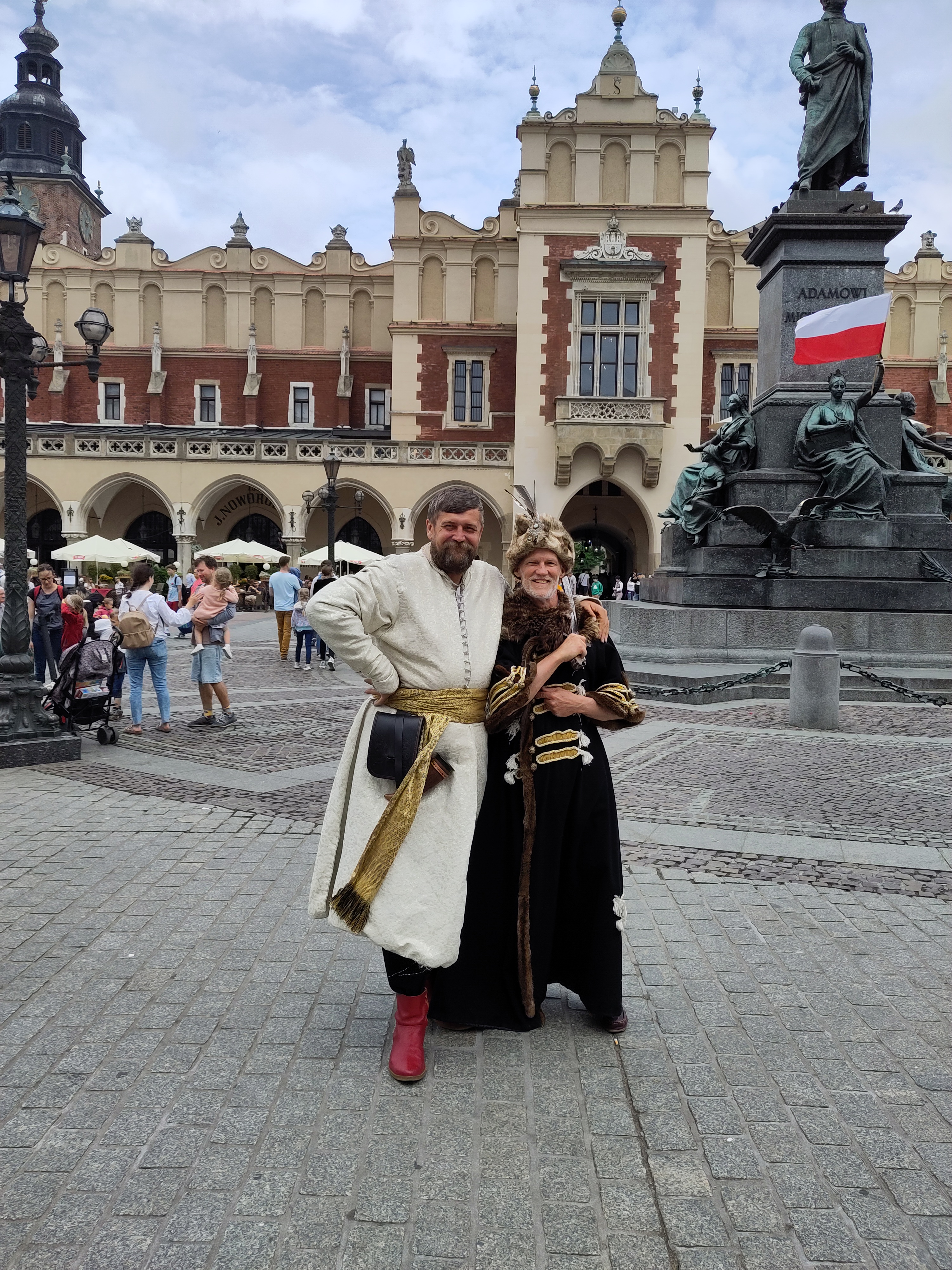
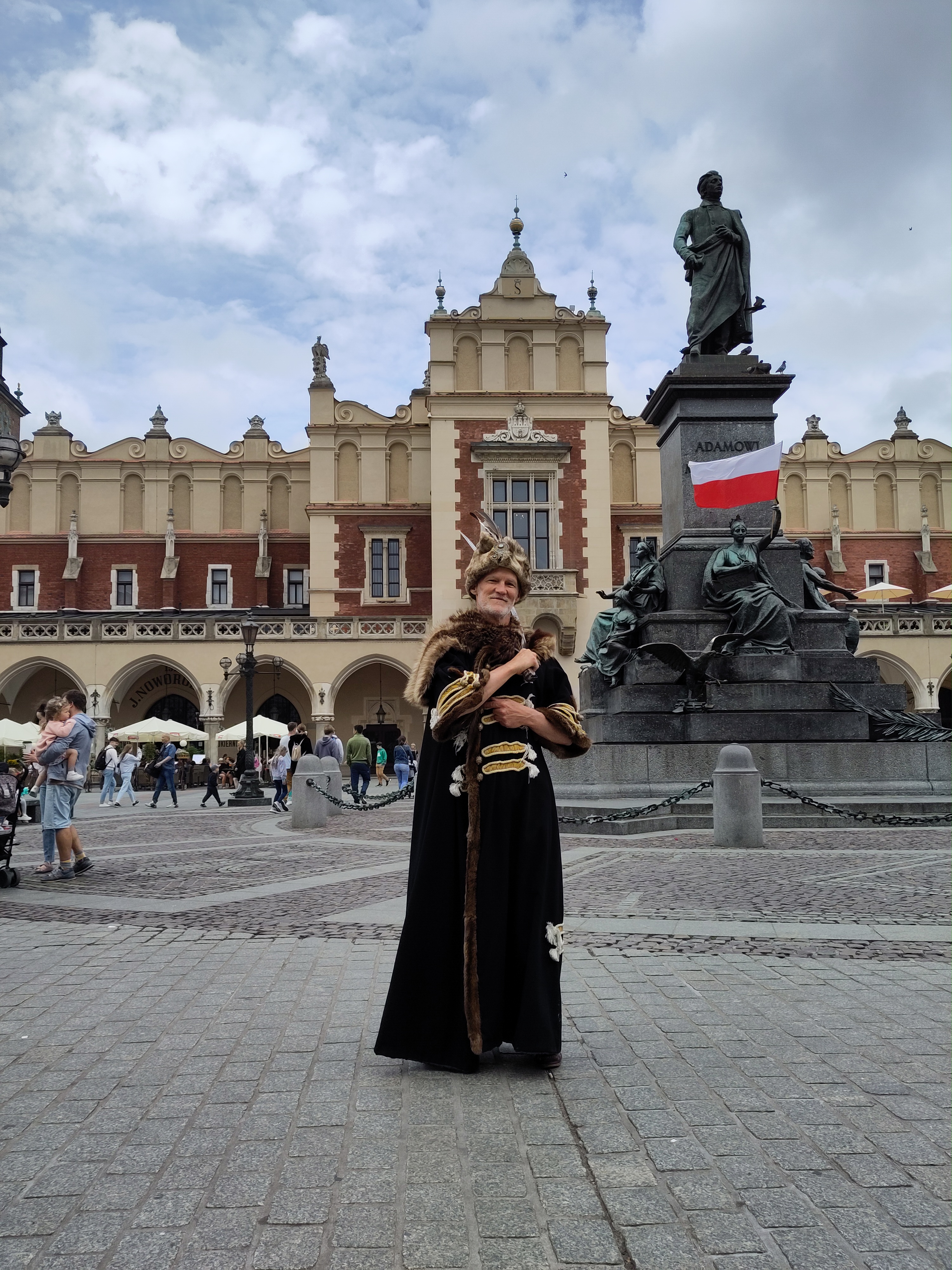
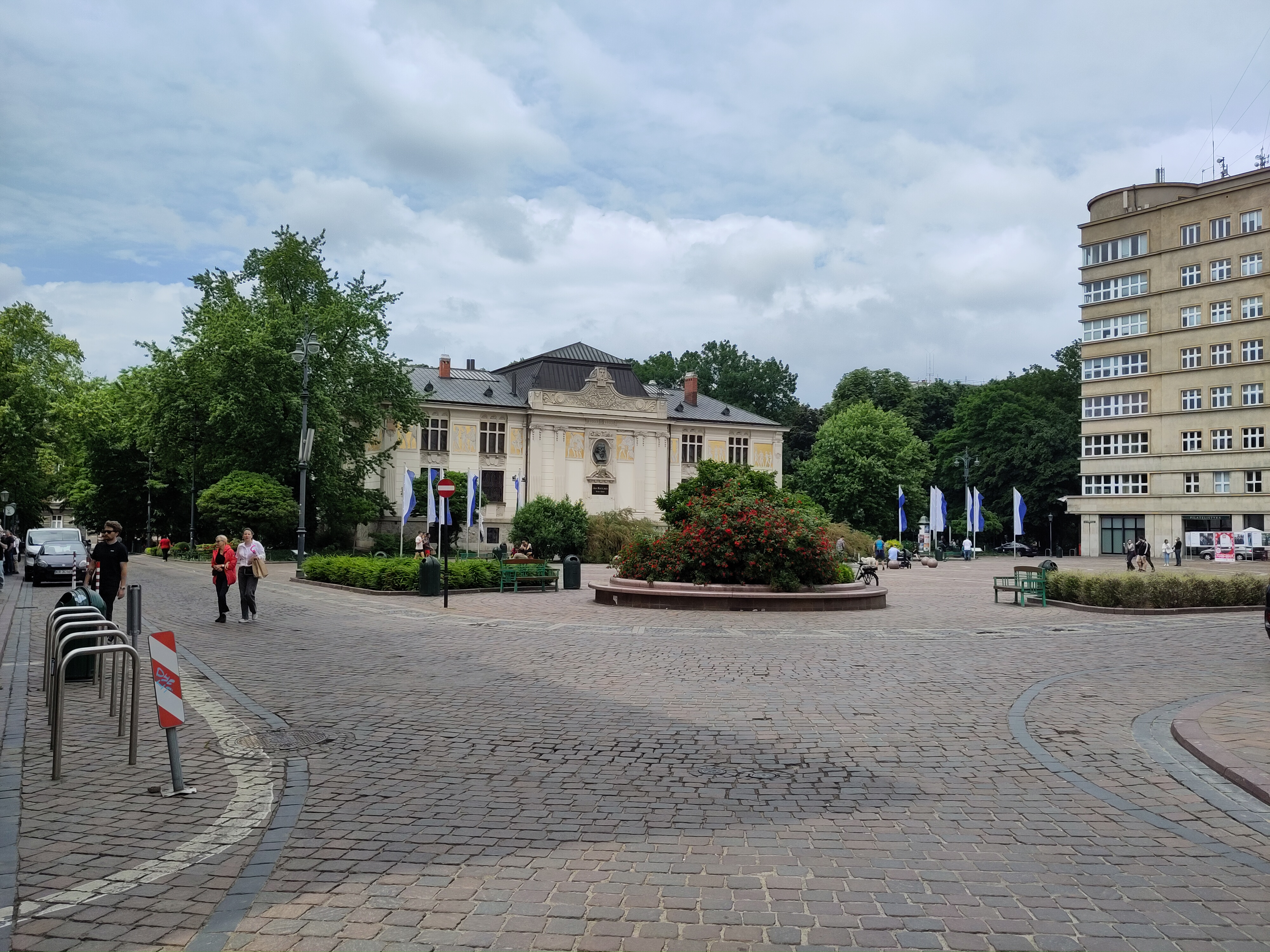
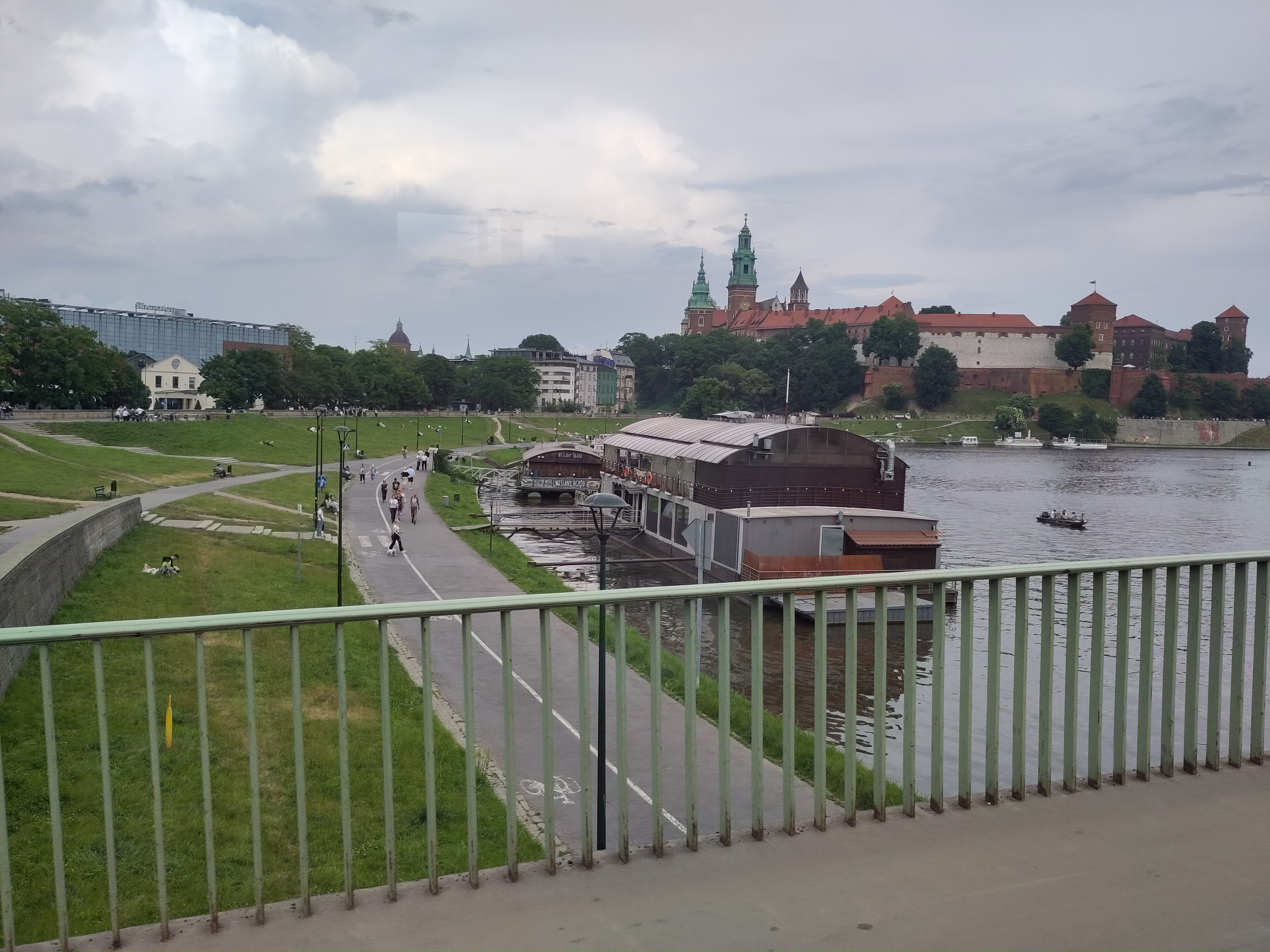
Within the castle walls, they were crowned in Wawel Cathedral. Pope John Paul II offered his first Mass as a priest in this cathedral in 1946, the day after his ordination to the priesthood. Poland’s monarchical system evolved into a sophisticated ‘noble democracy with elective kings’ in the 16th century (in contrast to the absolute monarchies prevalent in Europe at the time), forming the Polish-Lithuanian Commonwealth. This lasted until the 100 year period known as The Partition covering the 19th century, when Poland lost its nationhood to Prussia and Russia.

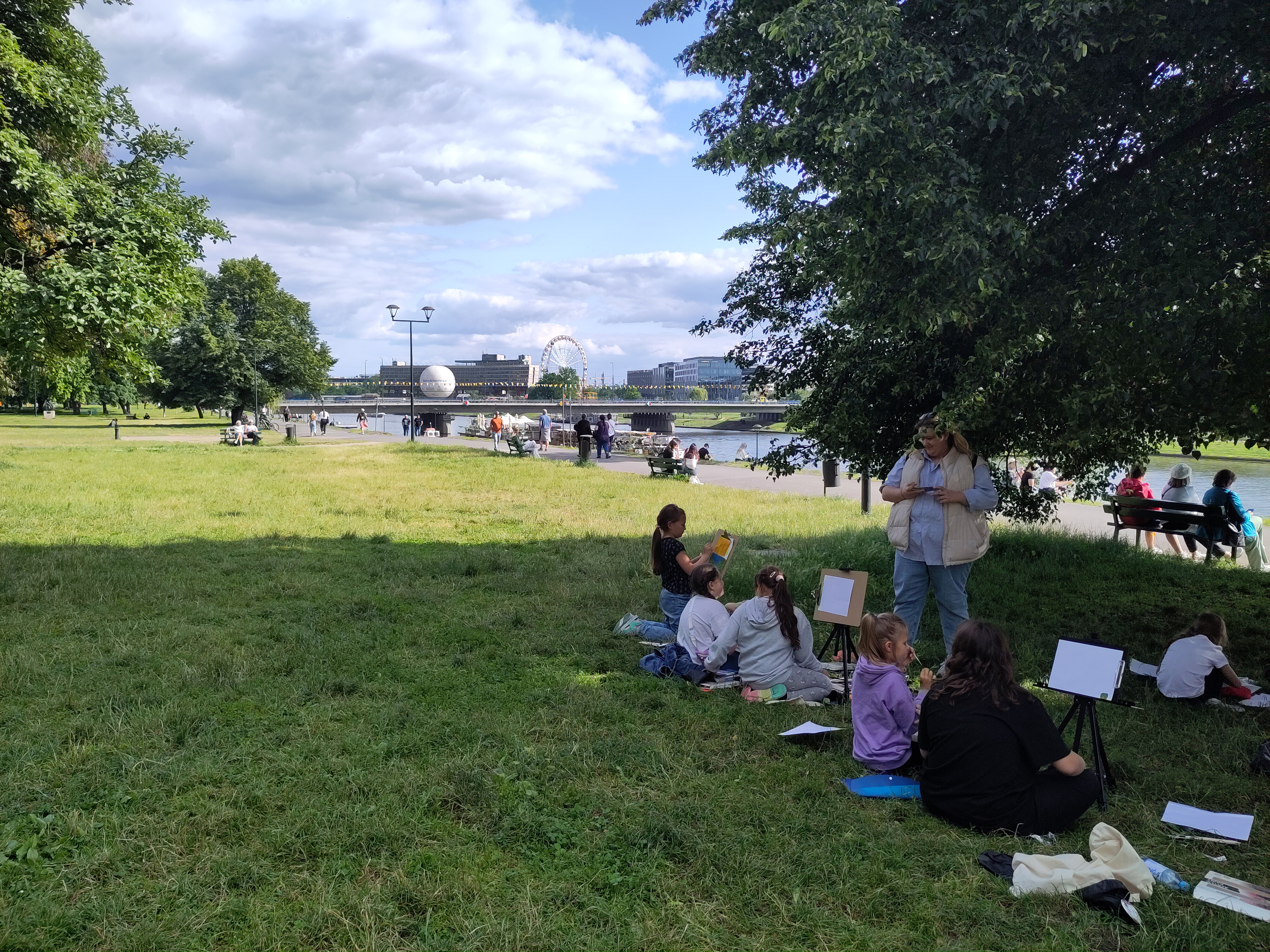
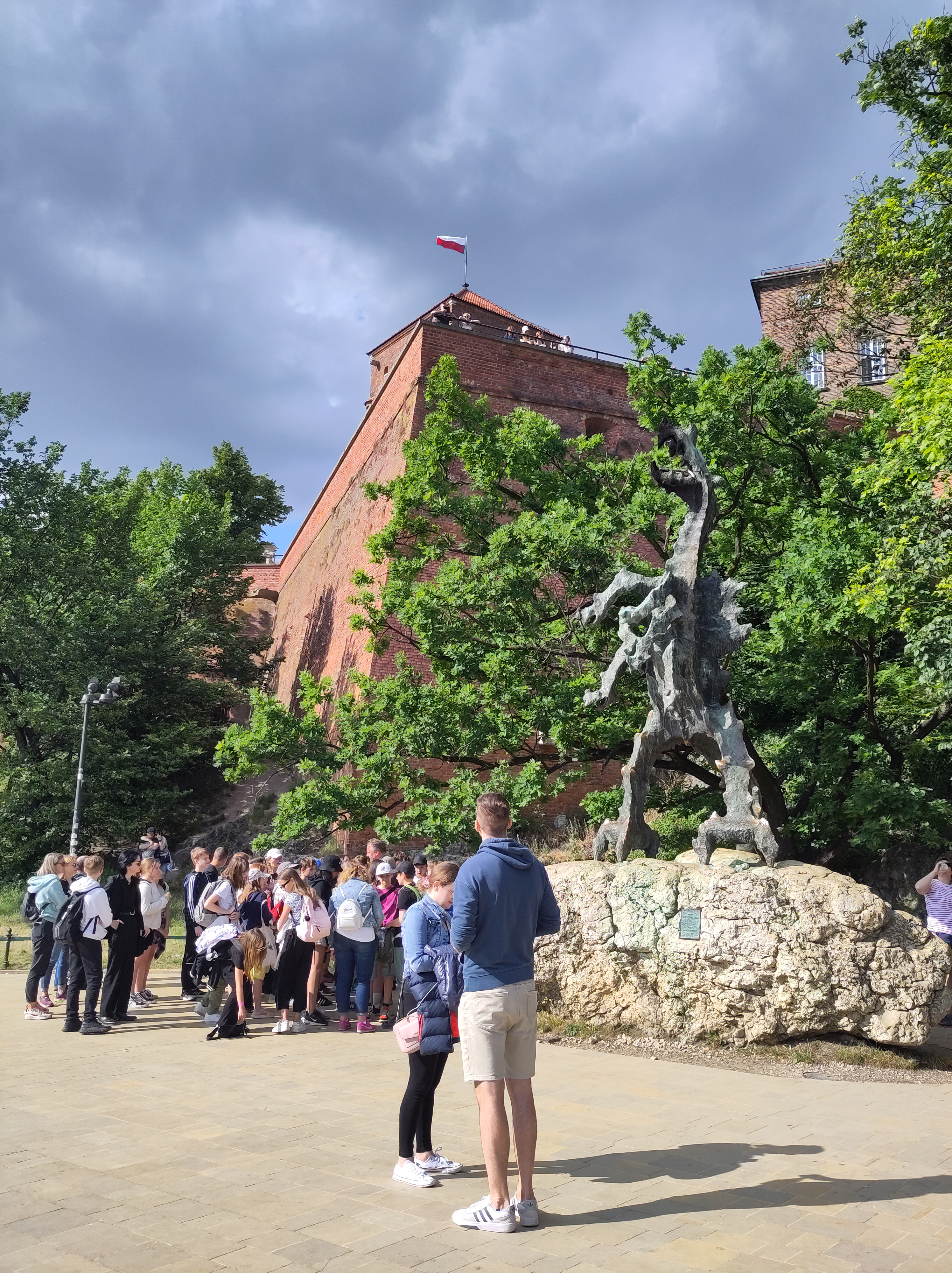

Between the castle and the banks of the River Vistula is a statue of Smok Wawelski (Wawel Dragon) a mythical fire-breathing dragon that once terrorized the citizens of Krakow.

Wojtek (Happy Warrior) or Voytek [ˈvɔjtɛk]; was a bear cub adopted by a division of the Polish resistance army in 1942. It was in Iran at the time with thousands of Polish civilians, who, three years earlier, had been deported from Poland to the Soviet Union. The Soviets had invaded from the east – a little known fact overshadowed by Germany’s invasion from the west after the Molotov–Ribbentrop non-aggression Pact was abandoned. One of the civilians, a child, took a liking to the cub. Voytek became a soldier who ate, drank, smoked, slept, marched and fought with the Polish army, often carrying heavy ammunition. He was officially drafted into the Polish Army as a private and later promoted to the rank of corporal. He died aged 21 years old in Edinburgh Zoo.
The Wieliczka Salt Mines are on the outskirts of Krakow.
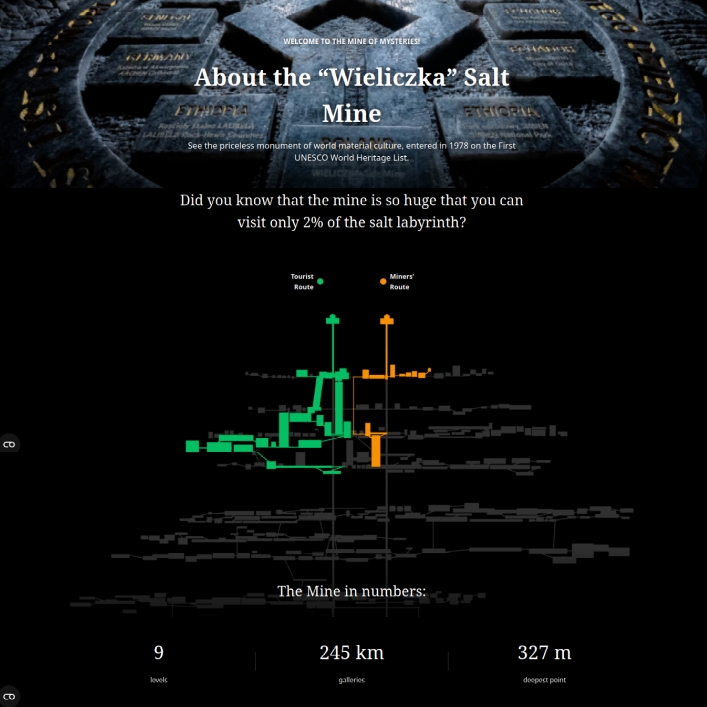

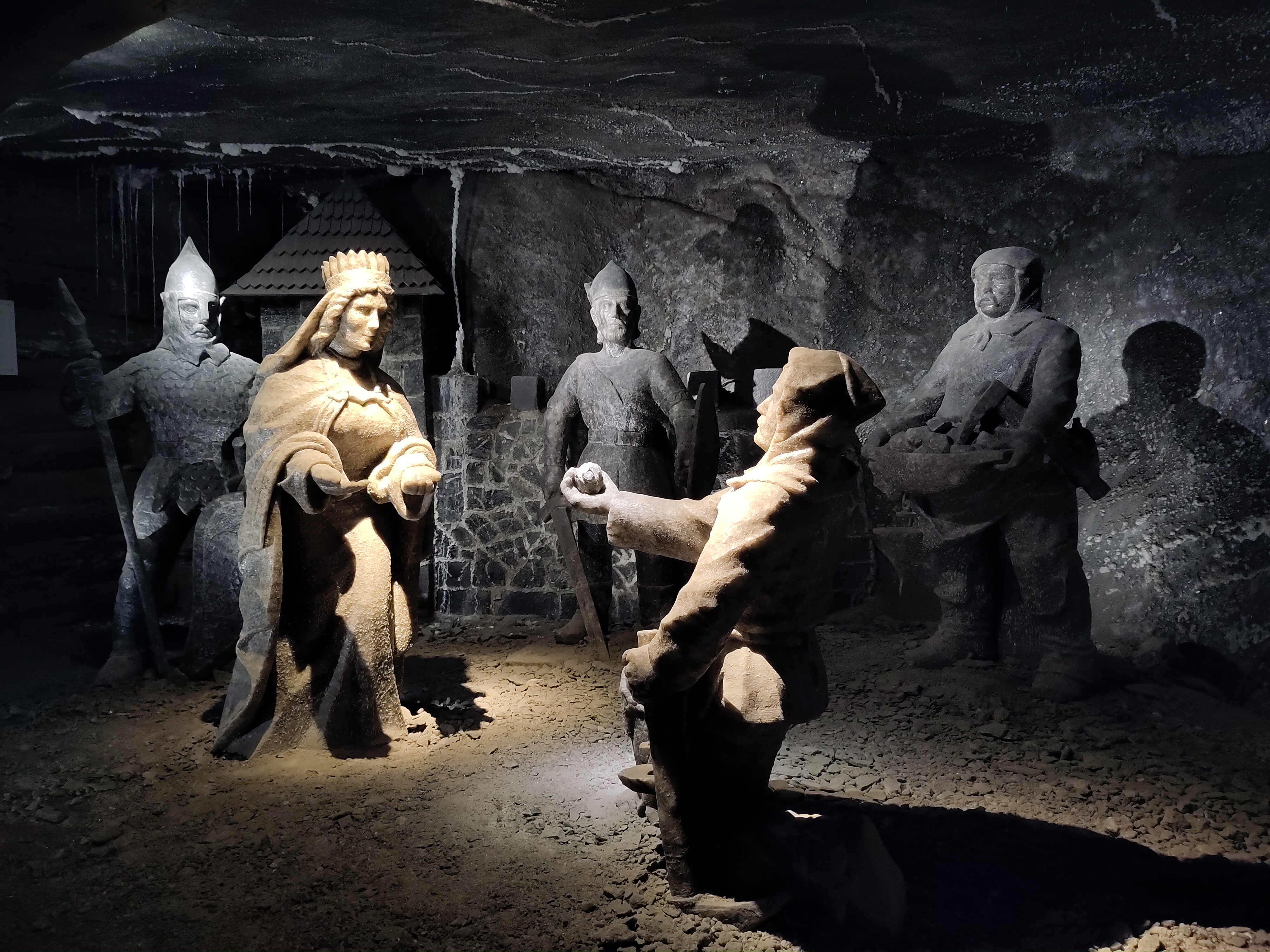
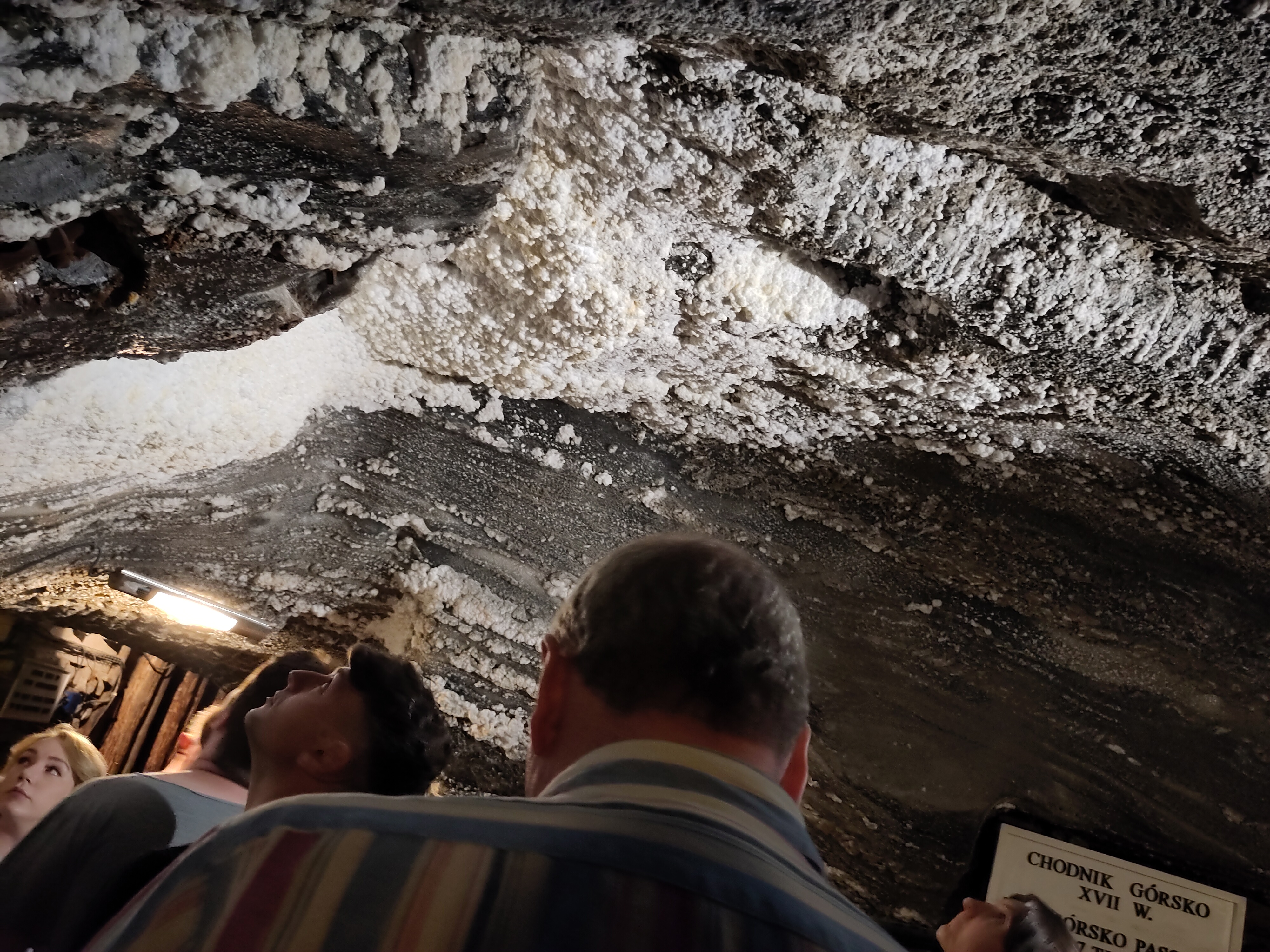
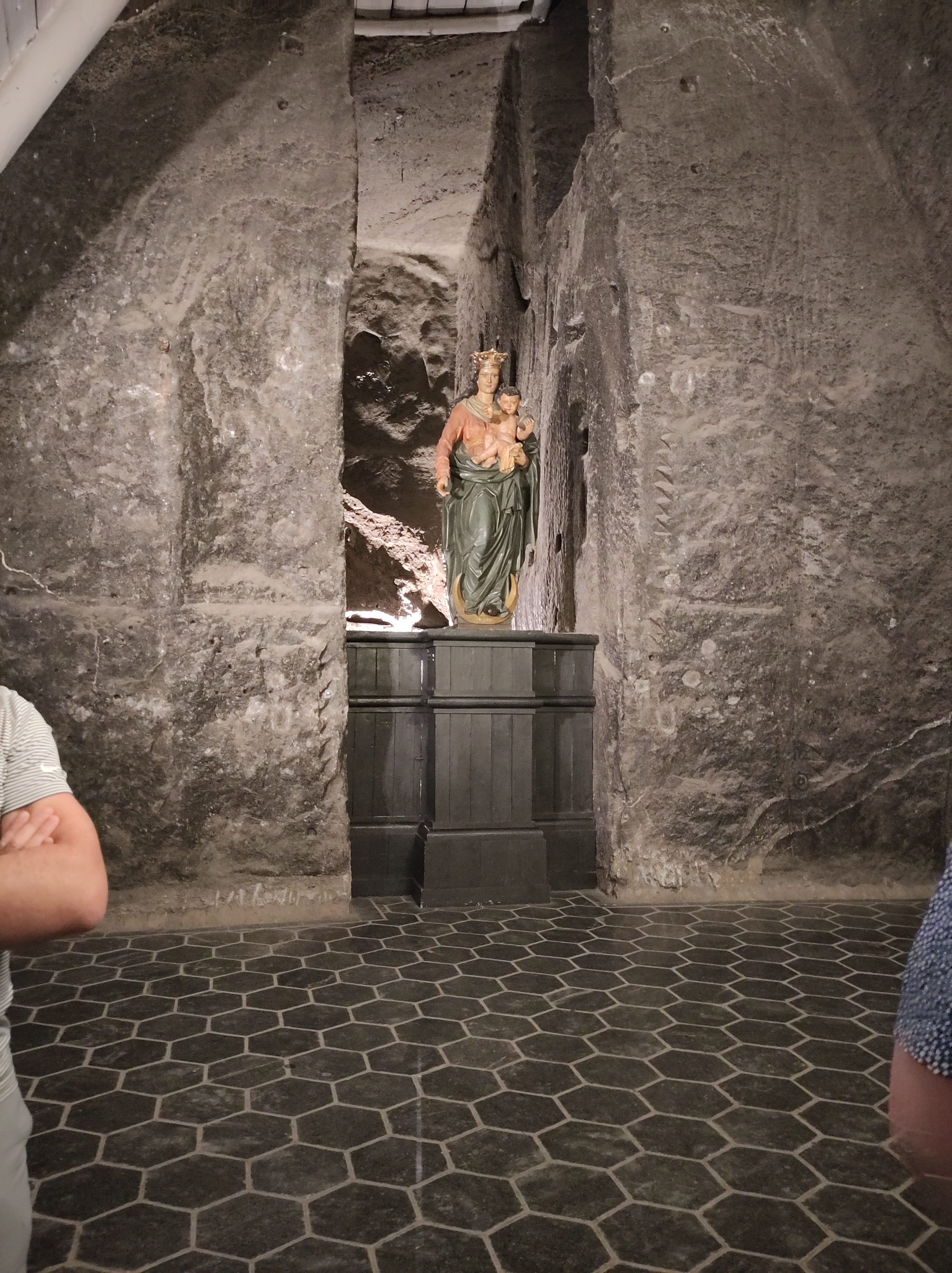
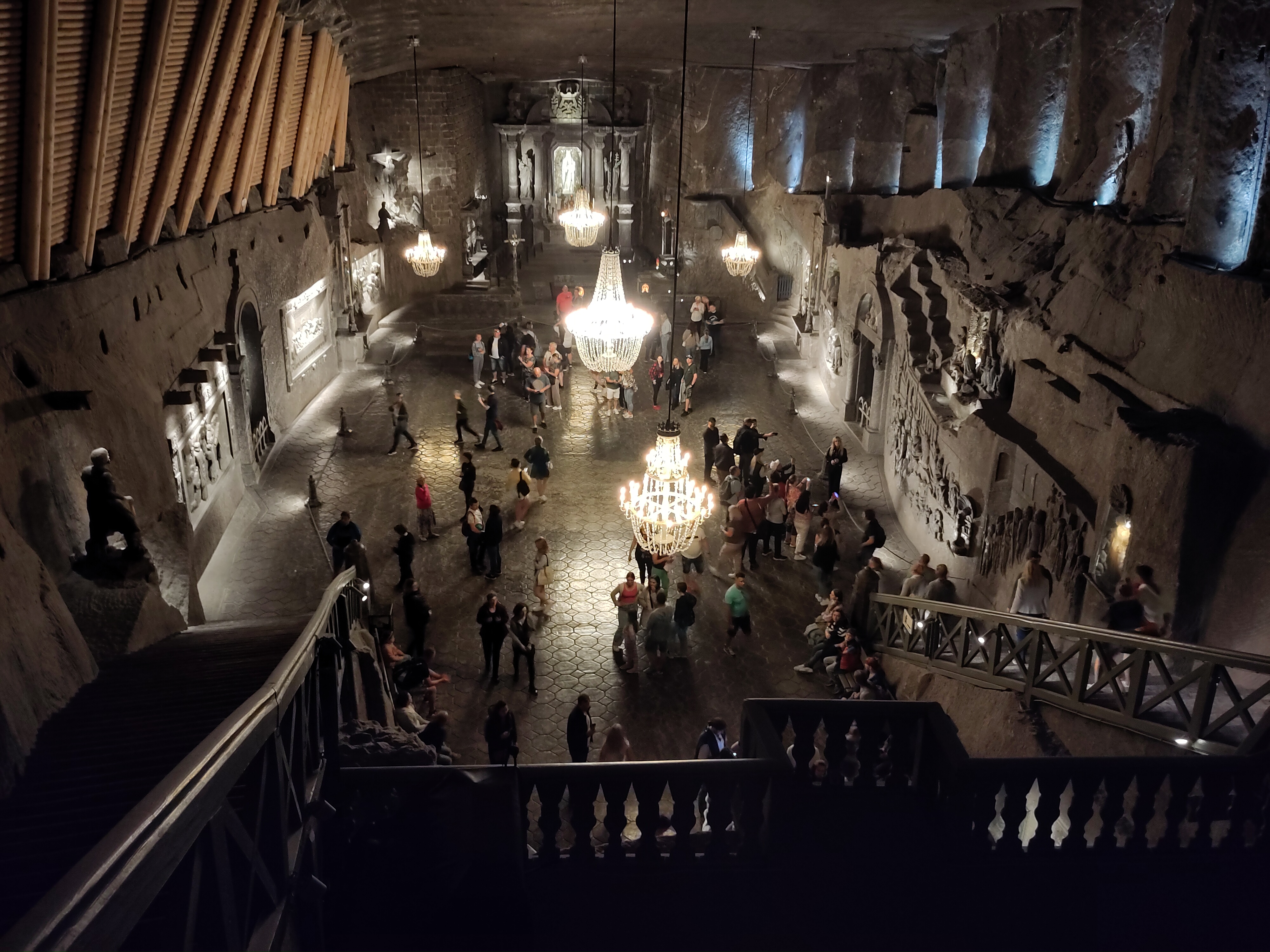
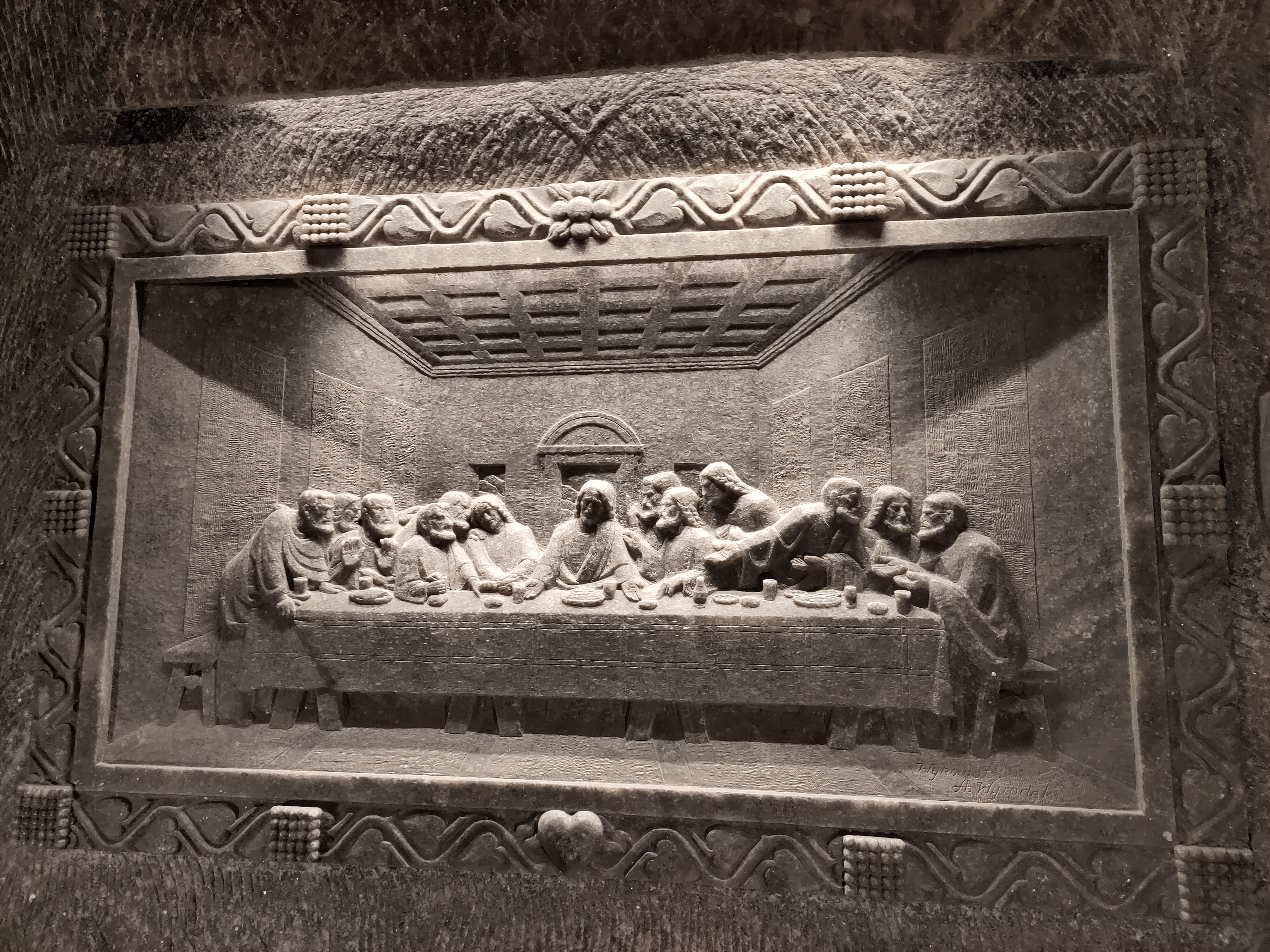
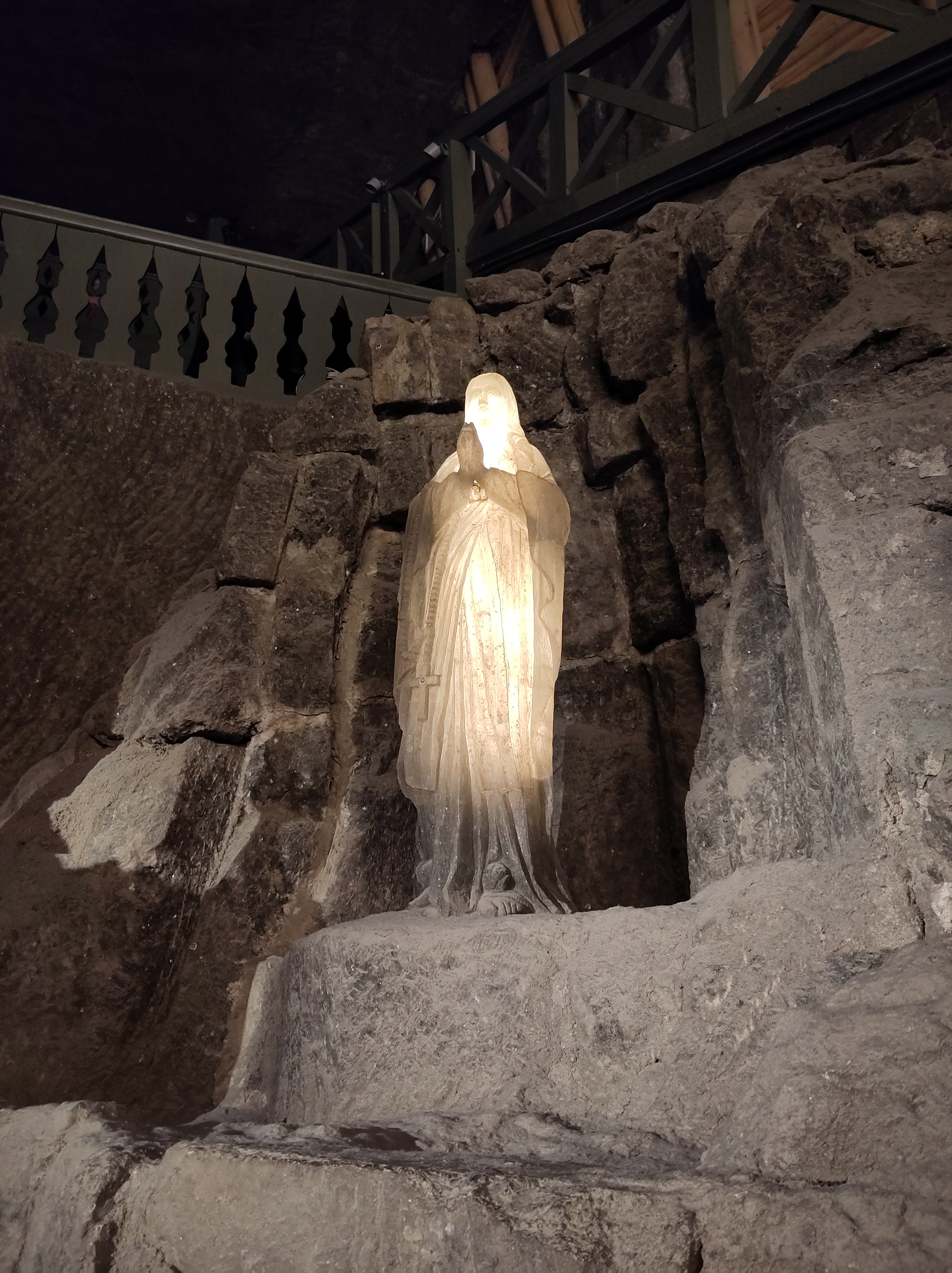

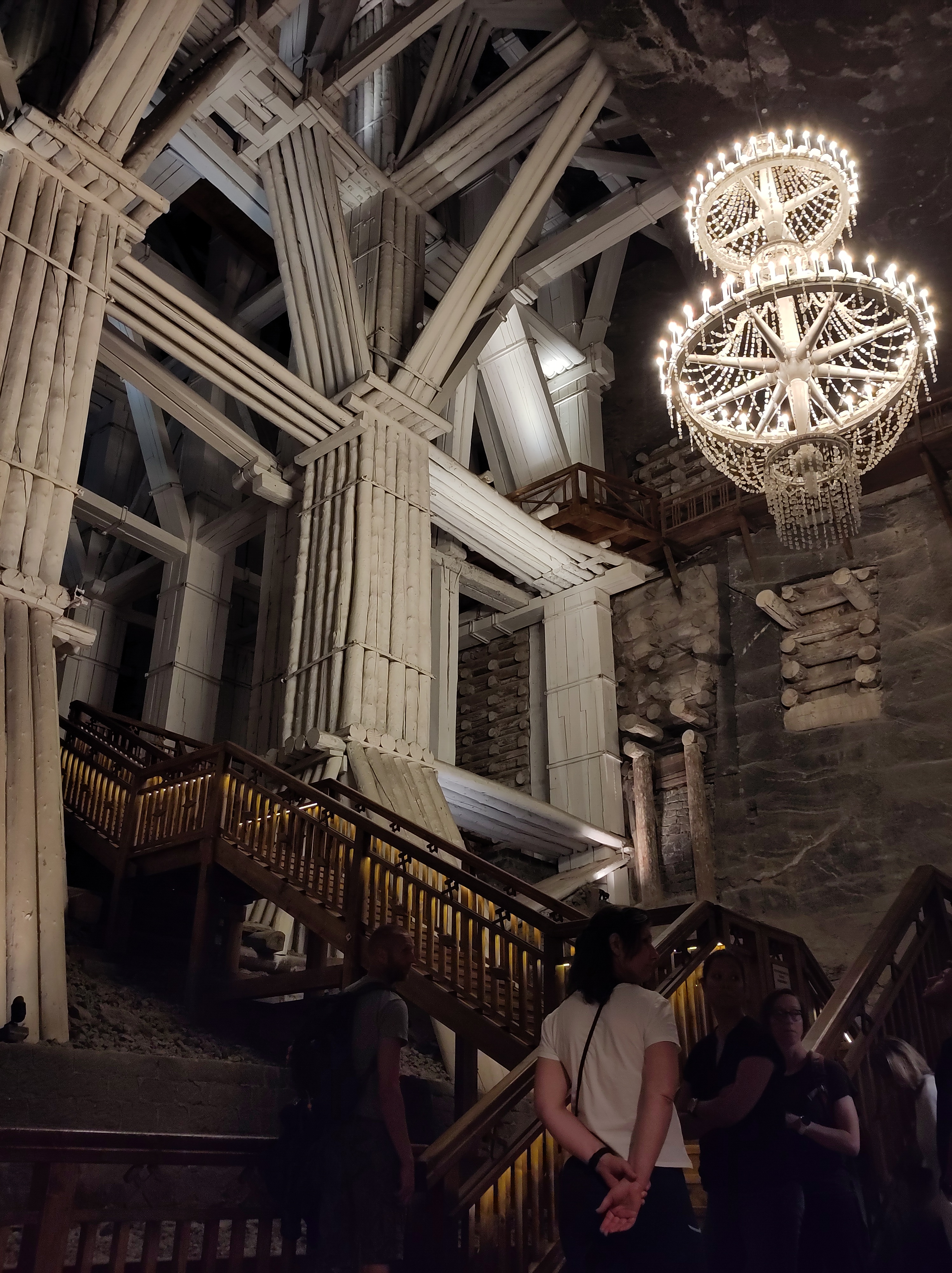
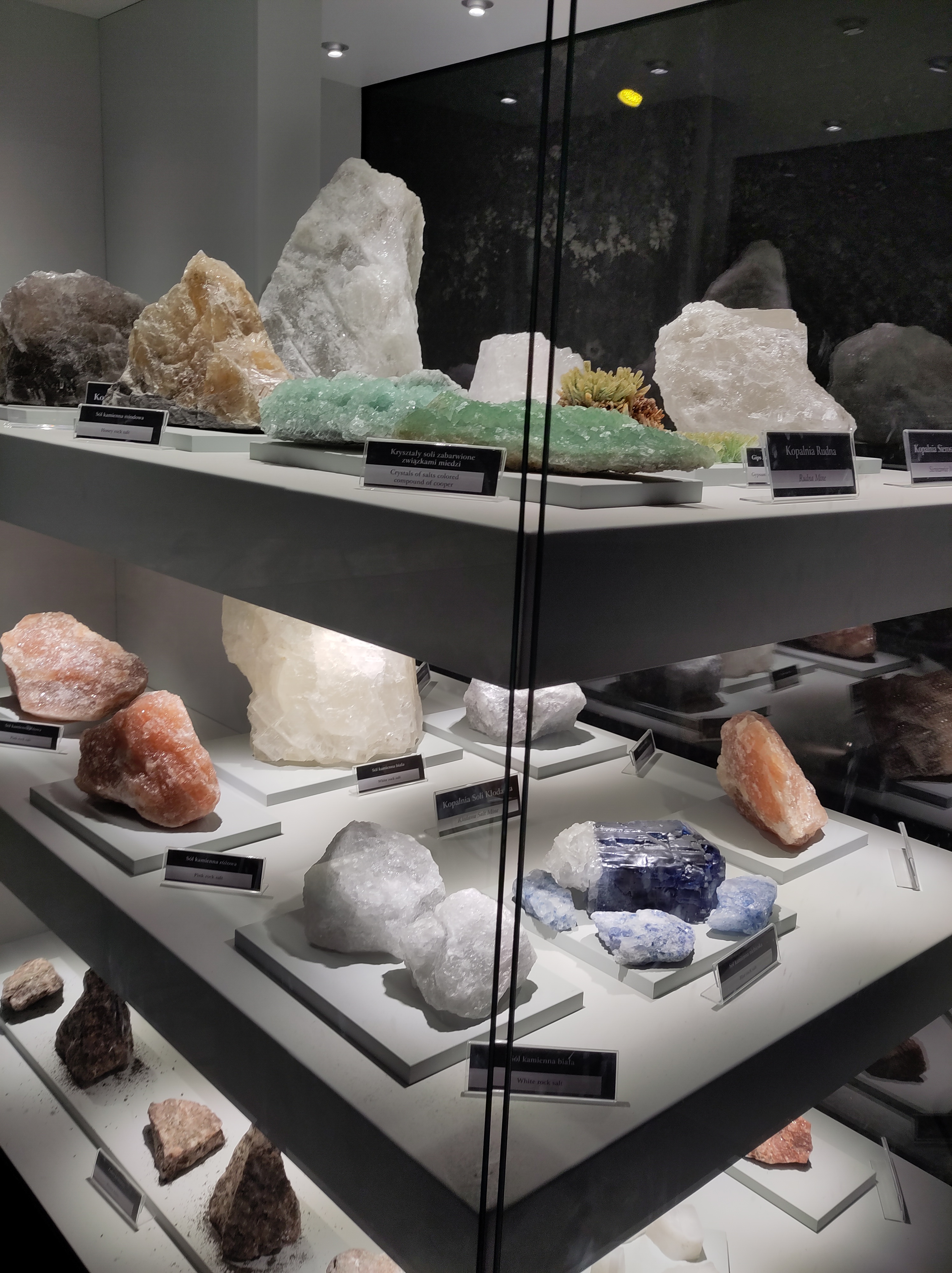
Over more than 700 years, 26 shafts were struck in Wieliczka and 9 million m³ of post-excavation voids were drilled. These voids are enormous caverns now. Tourists walk 350 steps down – without being told how we get back up! Thankfully there’s a fast elevator at the end of the tour.
According to legend, the mines were found when a Polish Princess crossed the border to Czechia. In those days, salt was much more valuable and used to preserve food.
Horses were kept their whole lives in the mines to work, but were treated well. Workers were not slave labour – it was a privilege to serve in the royal mines and although it was dangerous, it was skilled employment.
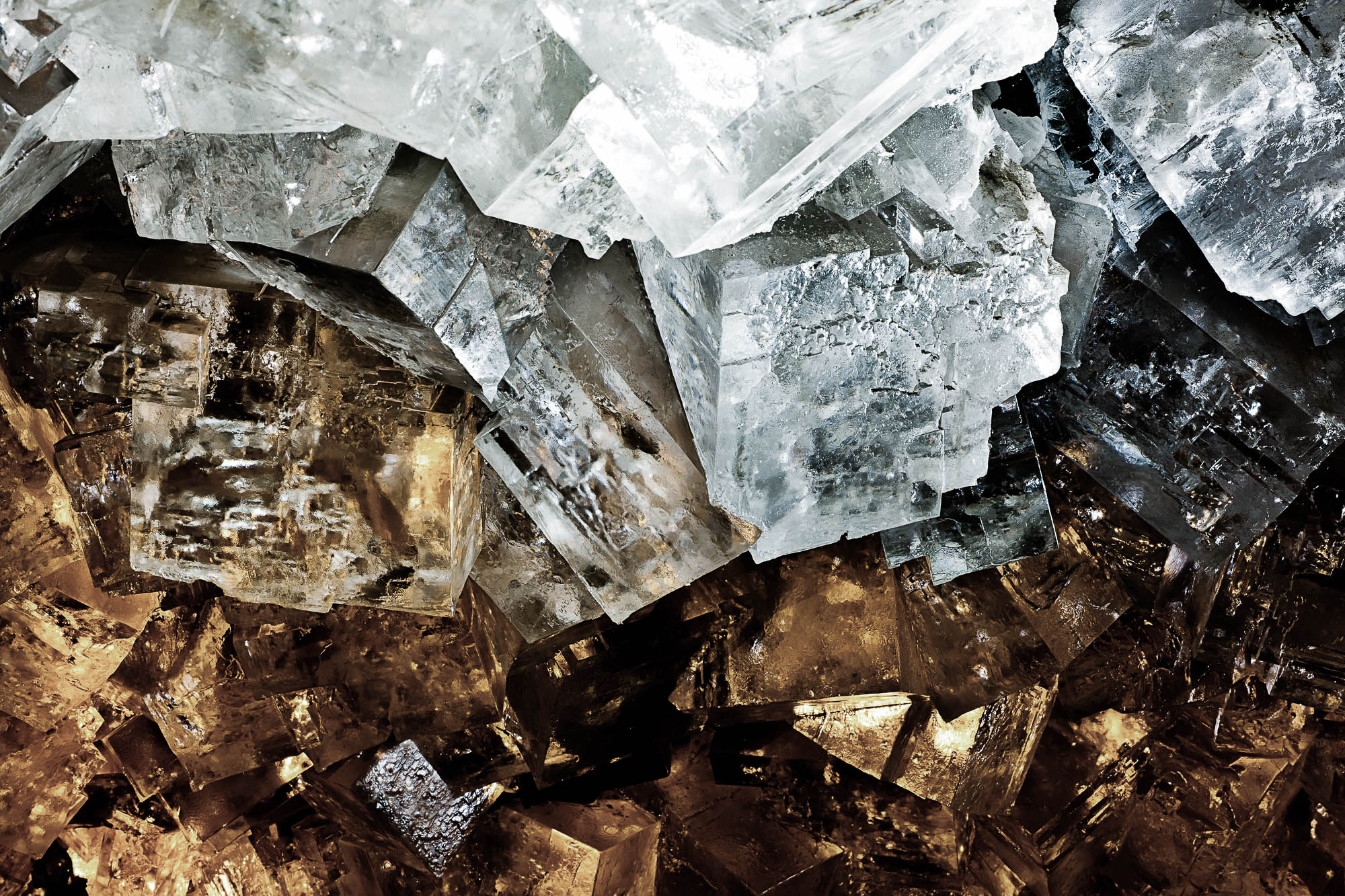
The Crystal Caves are an extra-ordinary beauty protected from public viewing. They are halite – common kitchen salt that has undergone crystallisation. Rarely are the crystals so big and beautiful. Discovered by accident in the 19th century, they are a young formation of the purest rock salt in the world.
Stay tuned for the next post:


Leave a comment